Do Habitat Conservation Plans Speed Up Environmental Review?
Professor Emeritus Martin Wachs; then-MURP student Shira Bergstein; Dan Chatman, Berkeley Assistant Professor; and Berkeley graduate student April Mo, recently completed a study to examine whether the process of environmental reviews and approvals for infrastructure projects has proven to be quicker where Habitat Conservation Plans exist than has been the case where they do not.
Habitat Conservation Plans set aside areas of land to protect the habitats of endangered and threatened species. Over the past decade, twenty or more large Habitat Conservation areas have been established in an effort to both preserve endangered environments and to facilitate the construction of important infrastructure like highways and transit routes, by “streamlining” the environmental review process that is required under the National Environmental Protection Act. The conservation areas provide for the mitigation of the environmental impacts of the infrastructure projects.
Recent Posts

UCLA student wins fourth consecutive national transportation prize
Nick Giorgio MURP ‘25 received the Neville Parker Award for his capstone project on intersection design and safety in Los Angeles.
Freeways and floodwaters, UCLA researchers model climate risks of highway expansion
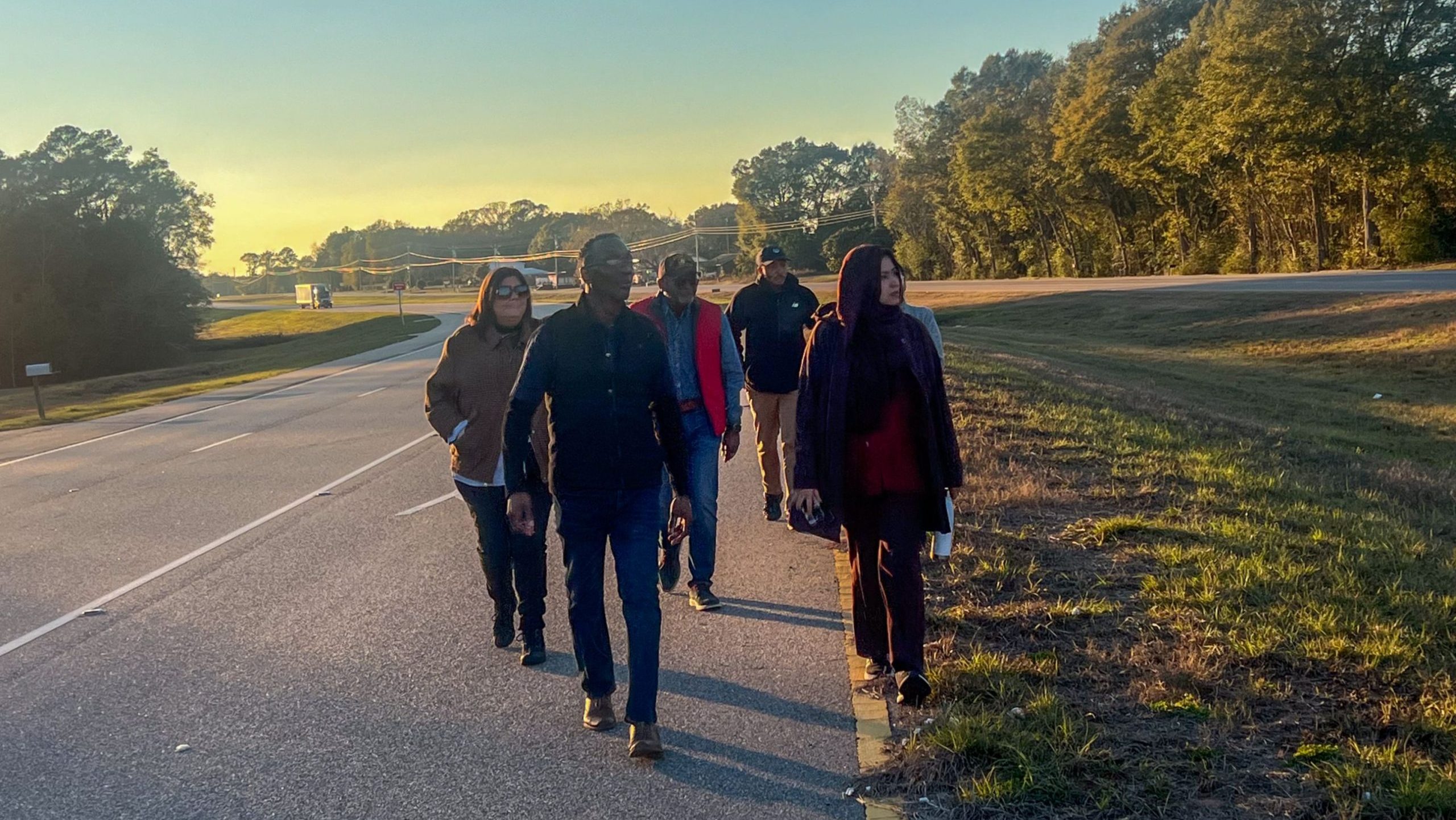
A site visit to Shiloh, Alabama, revealed how a highway expansion created new flooding patterns and grounded climate-risk modeling in community experiences.

Featured Content