ITS Hosts Digital Cities, Smarter Transportation Forum

How is the ubiquity of smart phones, internet connectivity, and real-time information changing transportation? With innovators like Google and start-ups like Lyft entering the transportation arena, what role can government play? On March 20, 2014, planners, policymakers, and thought leaders convened at the Japanese American National Museum in downtown Los Angeles to explore these questions. The forum, entitled Digital Cities, Smarter Transportation, was arranged by the UCLA Lewis Center for Regional Policy Studies and the UCLA Institute of Transportation Studies. The forum’s audience was composed of a variety of professionals and thought leaders, including staff from the Mayor’s Office and various Council Offices in the City of LA, consultants, researchers, staff from regional agencies such as Metro and the Southern California Association of Governments, and local press outlet Streetsblog.
Panelists discussed recent, far-reaching changes. Parking meters can now communicate with a central server to set prices, and streets can sense whether or not parking spaces are occupied and whether or not the adjacent meter has been paid. Professor Ginette Wessel explored the connection between the rise of social media and the popularity of food trucks. Websites and mobile applications are driving the evolution of local government service delivery and creating the “context-aware city,” as described by Peter Marx, the Chief Information Technology Officer for the City of Los Angeles. And what about self-driving cars? UC Berkeley researcher Steven Shladover popped the mainstream media’s bubble, saying that these aren’t coming in anybody’s lifetime. Lyft’s Director of Community Relations, Emily Castor, and her regulatory counterpart Carol Brown from the California Public Utilities Commission, engaged in an open discussion about Transportation Network Companies (commonly known as ridesharing services). These are just some examples of the day’s discussions.
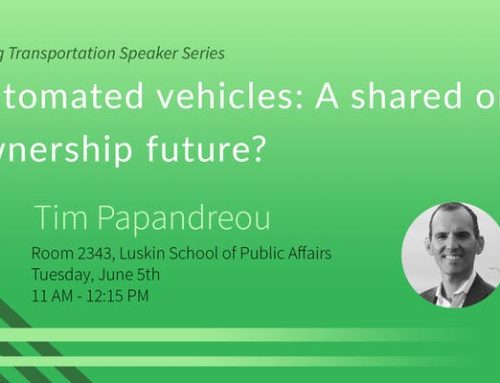
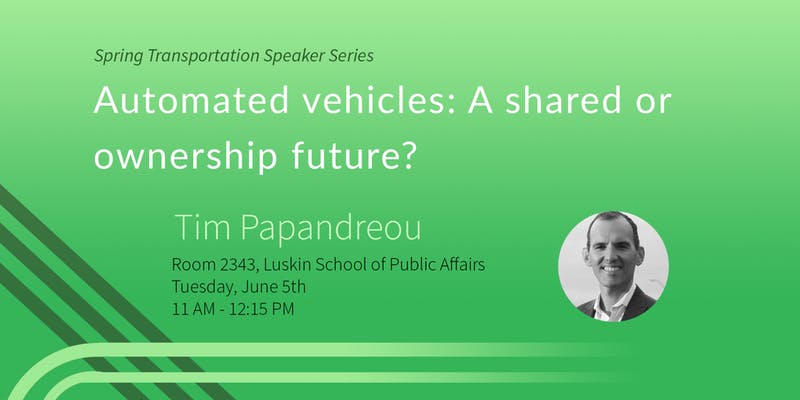
How are all these things connected? What do these mean for Los Angeles and for local planners and policymakers? Closing panelists synthesized the day and offered takeaways. Hasan Ikhrata, Executive Director of SCAG, focused on the government’s role in regulating the private sector. He implored the policymakers in the audience to “let people innovate.” He also called for less reliance on household transportation surveys and pointed toward other, more rapidly available data sources (such as cell phone data). Tim Papandreou, Deputy Director at the San Francisco Municipal Transportation Authority, echoed this call for fresh, far-reaching data sources, calling for data sharing between various public and private entities, and mentioning new sources of data on pedestrian counts and real-time mode splits. Tim said that a challenge for public agencies is processing big data. He also emphasized the public sector’s role as a manager of public right-of-way, a role which can constrain or enable innovations like car-sharing.
Finally, Lewis Center and Institute of Transportation Studies Director Brian Taylor made some closing comments. There is an unspoken discomfort among planners with anything that improves the vehicle system, he said, and this discomfort will continue as technological advancements continue to improve vehicles and roadways. Dr. Taylor also identified “pilot projects” as a way to cope with rapid change as an important recurring concept throughout the day.
For more information and to view speaker presentations, click here. For event photos, click here.
Recent Posts
UCLA student wins fourth consecutive national transportation prize
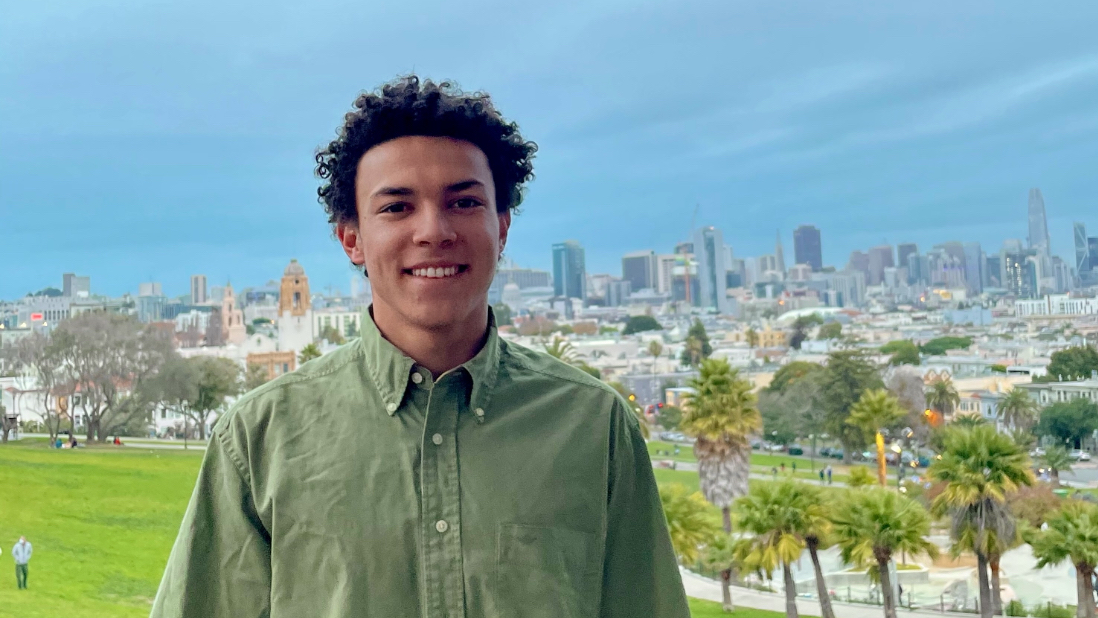
Nick Giorgio MURP ‘25 received the Neville Parker Award for his capstone project on intersection design and safety in Los Angeles.
Freeways and floodwaters, UCLA researchers model climate risks of highway expansion
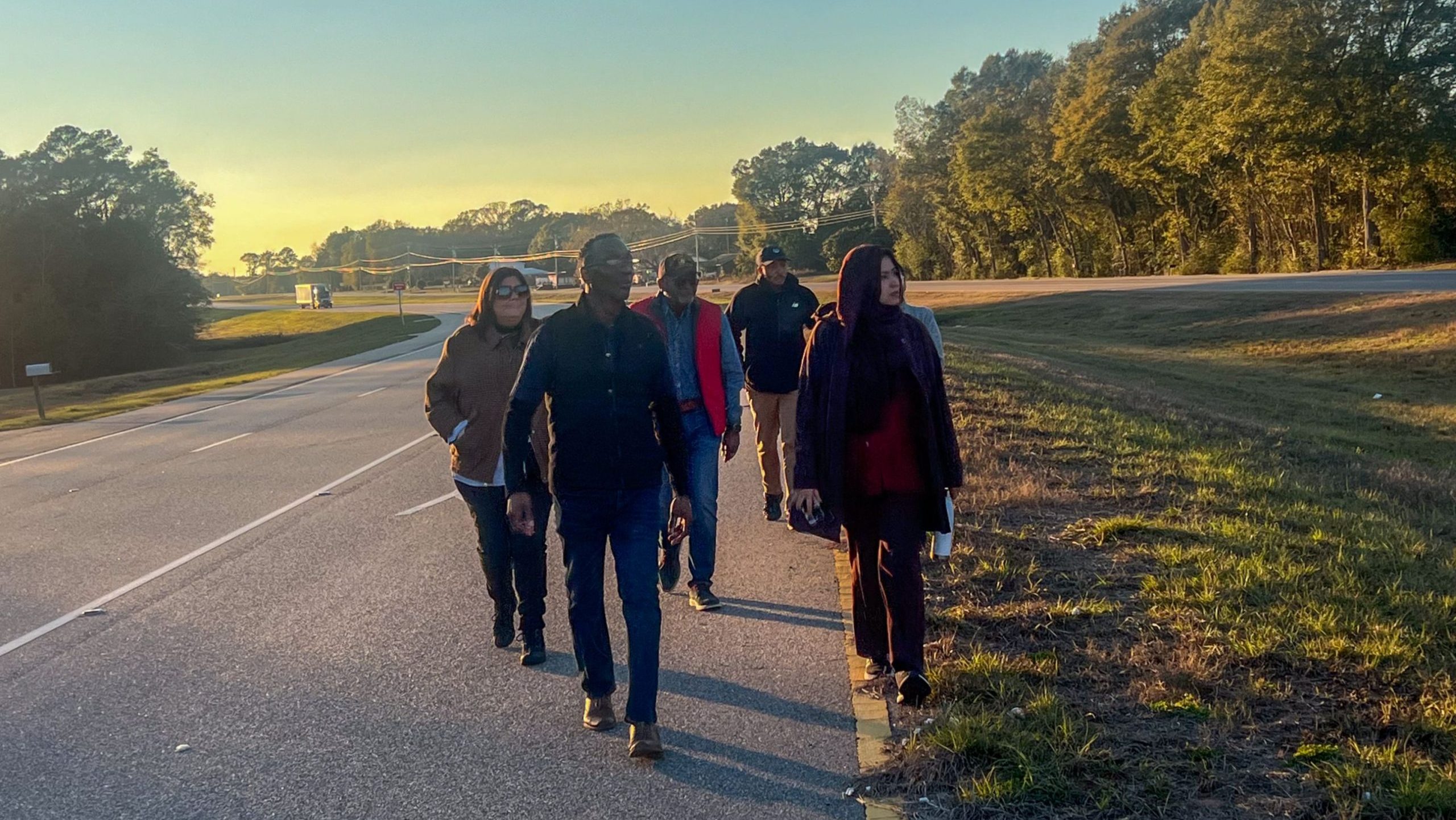
A site visit to Shiloh, Alabama, revealed how a highway expansion created new flooding patterns and grounded climate-risk modeling in community experiences.

Featured Content