UCLA Researchers Speak At Open Streets Summit And Conduct CicLAvia Evaluation

Madeline Brozen, manager of the Complete Streets Initiative, joined a lively group of presenters and participants in the Open Streets Summit, held in Los Angeles the weekend of April 6. She joined Dr. Aaron Hipp of Washington University, the co-author of the report, Open Streets Initiatives: MeasuringSuccess Toolkit and Ed Clancy of CicloSDias, to talk about how to collect data during open streets and how to use these data to evaluate the event. Brozen offered a variety of advice to the international audience, many of which are planning their first open streets events:
- Your data collection and evaluation plan should be tailored to the size of your event. If you are doing something the size of the Los Angeles event, a participant count wouldn’t be practical, for example.
- Think about any language barriers and get some data collectors that speak other languages. For the Wilshire route, the UCLA research team included members who speak Korean and others that spoke Spanish to do the business outreach
- Select an evaluation plan that can help improve your event. Don’t do research just for research’s sake. Think about questions and data points that can benefit the operation of your event and organization
The panel and event was well received by many in attendance. One conference attendee remarked, “ It was a distinct pleasure to meet so many other Open Streets activists from around the country and around the world, and as a result of our conversations with presenters and participants we feel more confident than ever about what we do and why we do it. We left Los Angeles enlightened and energized, excited to be part of such a vibrant and positive movement.”
This CicLAvia was the second event where the Complete Streets Initiative collected data on the economic effect the event has on local businesses. They will again take a sample of businesses along the route and compare the sales the Sunday before to the day of CicLAvia. These data will be analyzed to see if the same economic boot of 10% on average holds for the 2014 Wilshire event as the 2013 research showed. If the patterns look to hold between years, the data will be combined in order to do further analysis.
“We all know that CicLAvia is a great event for participants and the City of Los Angeles. It’s an added bonus to do evaluation like our economic analysis and get hard numbers behind the thousands of bicycles and smiling faces,” opined Brozen.
Brozen joined Los Angeles Councilmembers Tom LaBonge, Bob Blumenfield, Mitch O’Farrell, CicLAvia Executive Director Aaron Paley, Supervisor Zev Yaroslavsky, and others at the CicLAvia opening event on Sunday, April 6, to kick off the start of the Iconic Wilshire Boulevard CicLAvia event.
Recent Posts
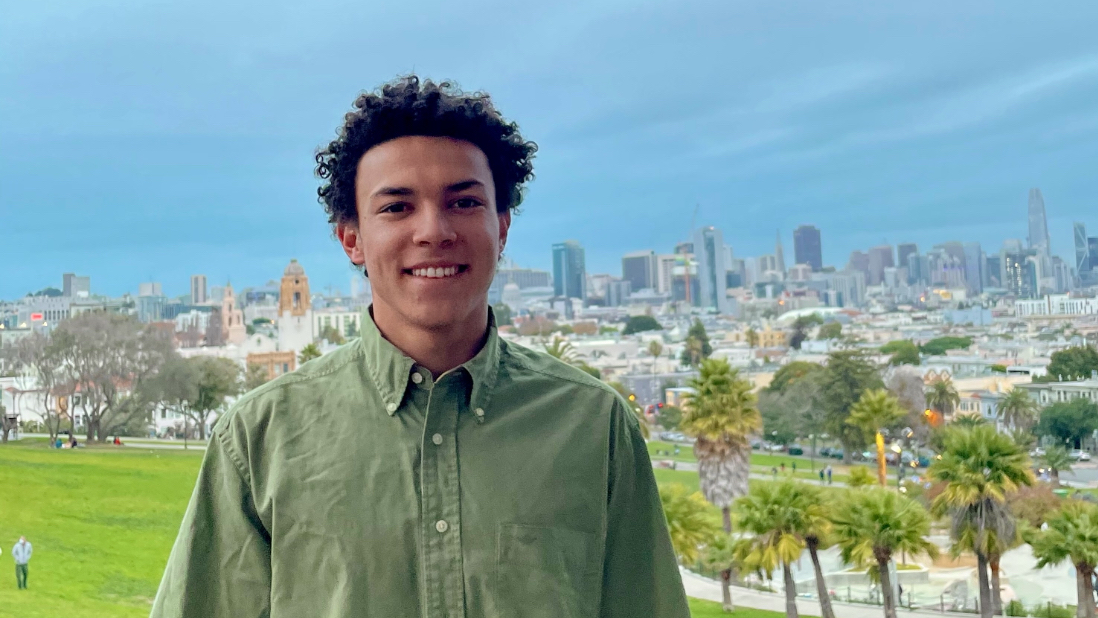
UCLA student wins fourth consecutive national transportation prize
Nick Giorgio MURP ‘25 received the Neville Parker Award for his capstone project on intersection design and safety in Los Angeles.
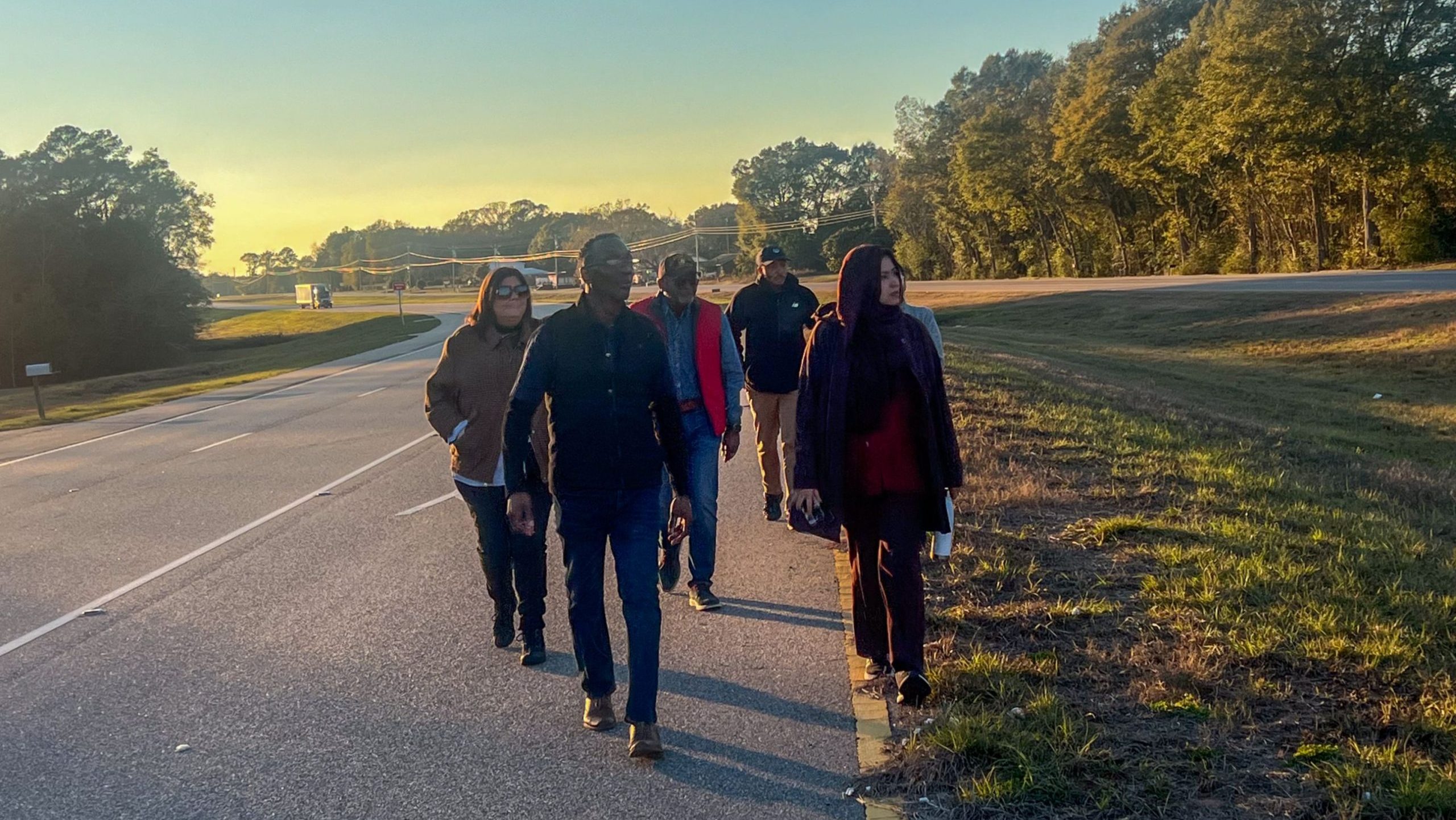
Freeways and floodwaters, UCLA researchers model climate risks of highway expansion
A site visit to Shiloh, Alabama, revealed how a highway expansion created new flooding patterns and grounded climate-risk modeling in community experiences.

Featured Content