Arrowhead Redux: Resilient Cities and Regions
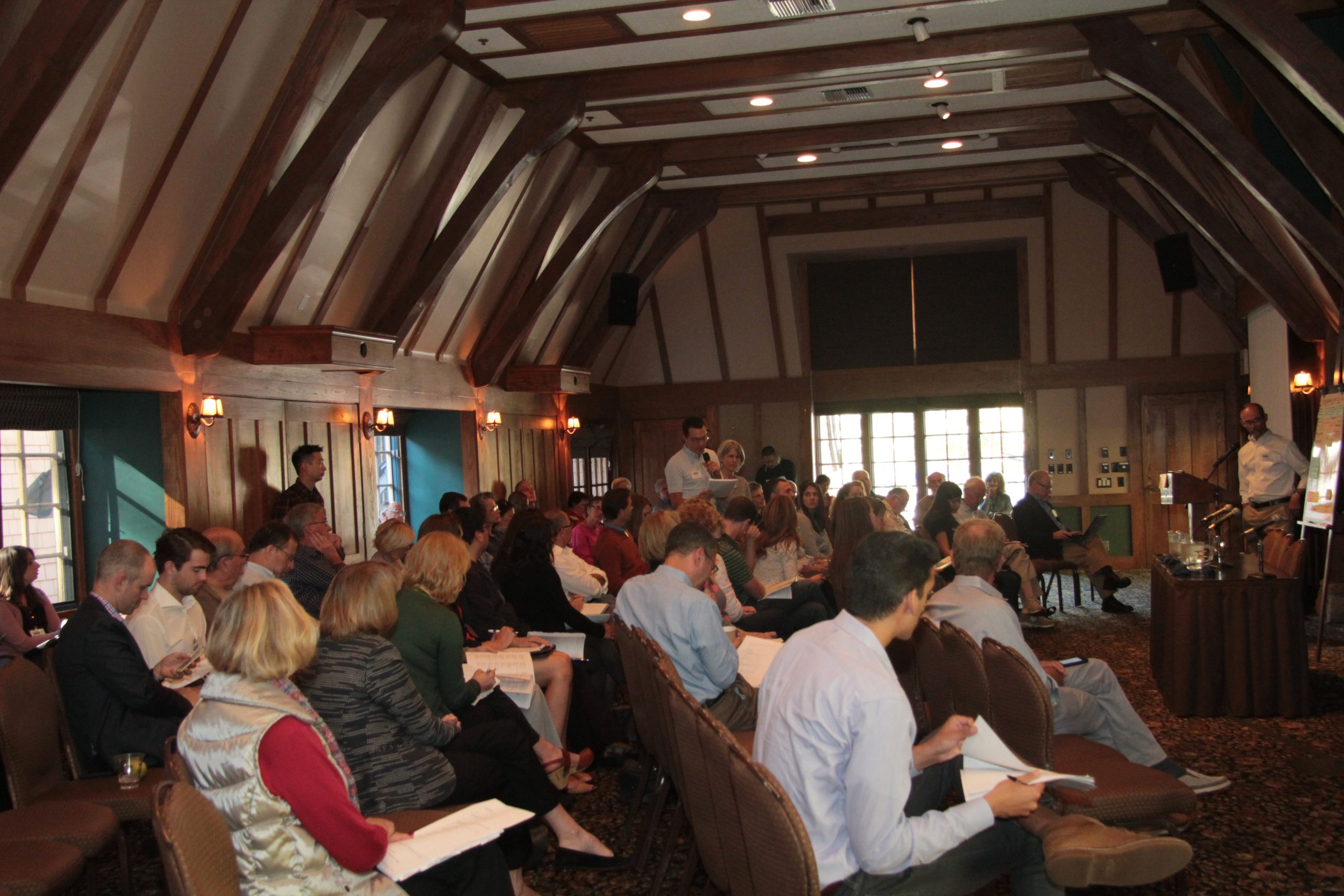
Here at the Lewis Center, we’re still basking in the positive and thought-provoking glow of the 2014 Arrowhead Symposium, which this year took a deep dive into the topic of Resilient Cities and Regions. It was the 24th annual installment of the Arrowhead Symposium, which is always an intimate, invite-only look at some topic within the broader theme of the transportation-land use-environment connection.
This year, we thought we’d try to bring some of the magic down from the mountain. We put together six stories to offer a glimpse of what this year’s symposium was like:
1. What are Resilient Cities, and Why Should We Care?
2. Bill Fulton: Planning for Resilience
3. Soft Infrastructure and the Vulnerability and Adaptive Capacity of Cities and Regions
4. Shaken, but not Stirred (to Action)?
5. Ray Quay: Anticipatory Governance, a Framework for Resilience Planning
6. Closing Comments from Director Brian Taylor
We’re quite grateful to all of our sponsors, speakers, and attendees for making it such a good experience.
Recent Posts
UCLA student wins fourth consecutive national transportation prize
Nick Giorgio MURP ‘25 received the Neville Parker Award for his capstone project on intersection design and safety in Los Angeles.
Freeways and floodwaters, UCLA researchers model climate risks of highway expansion
A site visit to Shiloh, Alabama, revealed how a highway expansion created new flooding patterns and grounded climate-risk modeling in community experiences.

Featured Content