2017 Lake Arrowhead Symposium: Global Climate Change, Local Growing Pains
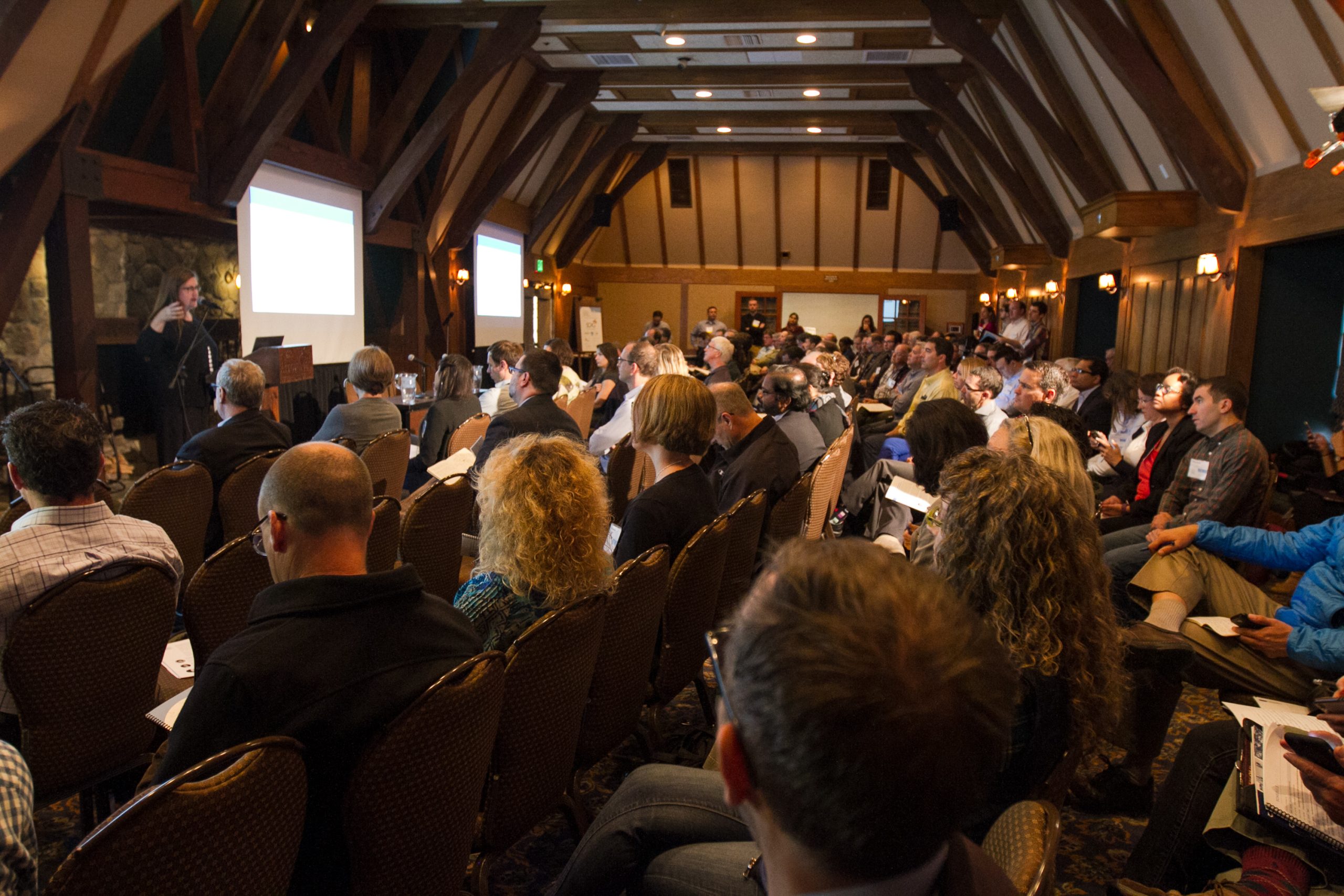
The annual UCLA Lake Arrowhead Symposium brings together influential planners, policymakers, academics, and other stakeholders for three days of immersive discussion on the connections between land use, transportation, and the environment. This October’s 27th edition of the gathering tackled the highly relevant topic of “Global Climate Change, Local Growing Pains,” examining how land use policy interacts with and often impedes climate goals.
Sessions covered everything from housing displacement to freight logistics to infrastructure planning for greenhouse gas emissions. Speakers summarized some of the symposium’s key themes and insights in the video below:
We’ve also recapped three selected sessions in more detail:
- Building our way to denser, greener, more affordable neighborhoods
Dr. Paavo Monkkonen, UCLA Luskin School of Public Affairs
Sen. Scott Wiener, California State Senate
Dena Belzer, Strategic Economics - How pricing and technology can improve transportation and climate impacts
Dr. Michael Manville, UCLA Luskin School of Public Affairs
Ellen Greenberg, California Department of Transportation
Dr. Anne Goodchild, University of Washington - Implementing climate goals through local tools
Jason Neville, Building Blocks
Ann Cheng, GreenTRIP
Terri Harding, City of Eugene, Oregon
Randall Winston, Strategic Growth Council
Thanks to all of our speakers, guests, and sponsors for an engaging event. Stay tuned to the Arrowhead website to learn more about attending next year’s symposium and to keep up with our related events throughout the year.
Recent Posts

What if transportation abundance policy focused on access, not just mobility?
A transportation abundance agenda means rethinking investment and management so people can reach what they need, not just move faster or farther through inefficient systems.
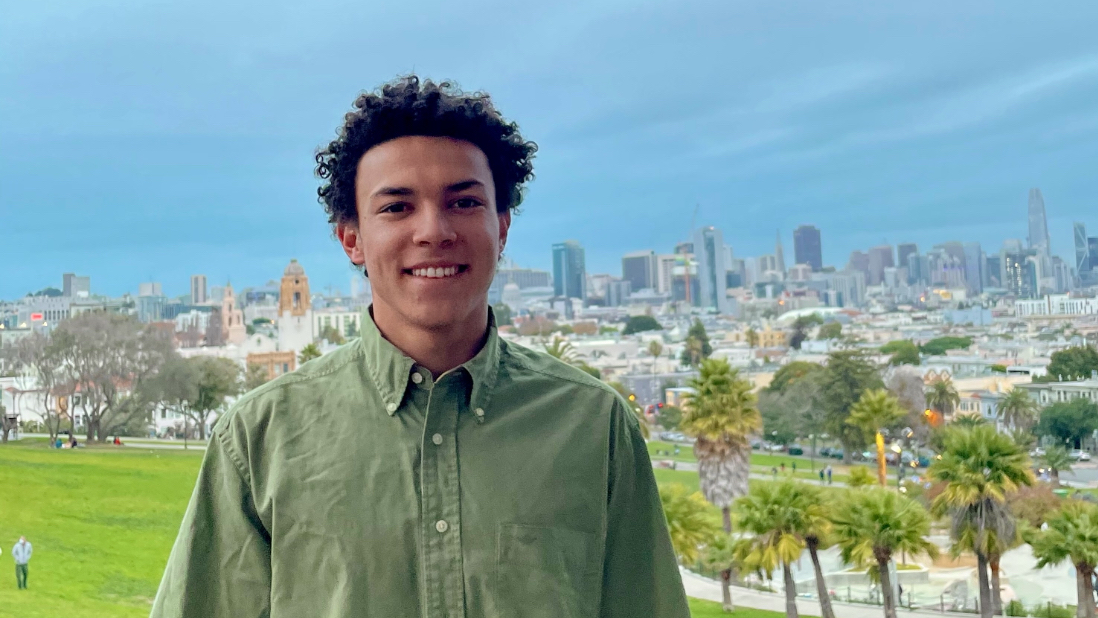
UCLA student wins fourth consecutive national transportation prize
Nick Giorgio MURP ‘25 received the Neville Parker Award for his capstone project on intersection design and safety in Los Angeles.

Featured Content