Video: ITS discussion series addresses #MeToo and public transportation
Struggling to reaching for a strap on a crowded bus. Stepping into a packed train car and looking for a small space of refuge. Waiting by yourself at a dark bus stop. Trying to run household serving errands on a public transit schedule that’s been designed for rush hour.
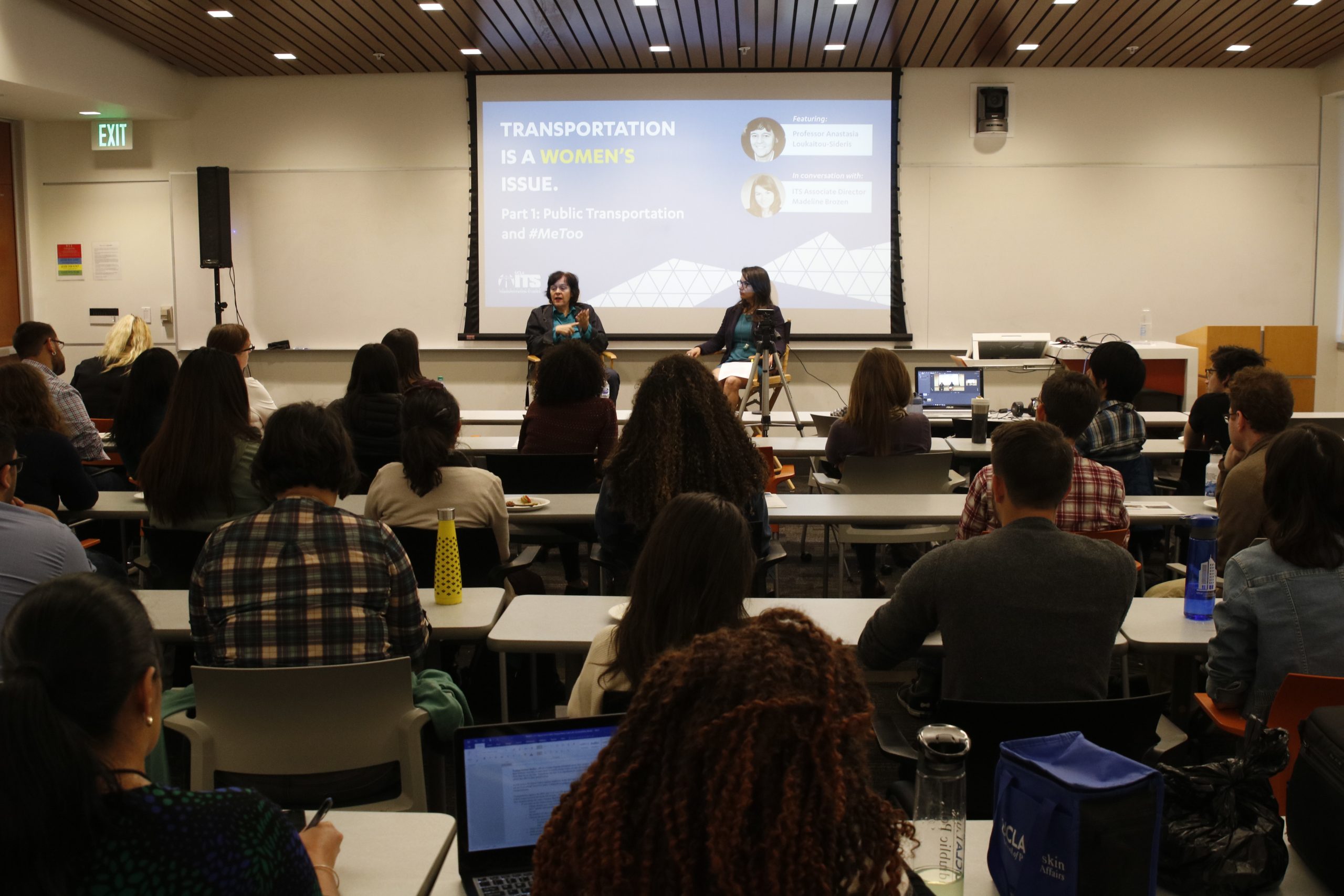
These are all-too-common experiences for women in transit — and illustrate why the #MeToo movement against sexual harassment and assault must influence public transportation procedures, designs, and policies. Kicking off the new ITS lunchtime discussion series “Transportation is a Women’s Issue,” ITS associate director Madeline Brozen spoke with Dr. Anastasia Loukaitou-Sideris, a professor of urban planning at the UCLA Luskin School and ITS faculty fellow, about women’s transportation needs, how transit agencies are and are not meeting these needs, and the role of sexual harassment in public space and public transit.
Watch the full discussion in the video below, and stay tuned for information about the next installment in the ongoing series.
Recent Posts

What if transportation abundance policy focused on access, not just mobility?
A transportation abundance agenda means rethinking investment and management so people can reach what they need, not just move faster or farther through inefficient systems.
UCLA student wins fourth consecutive national transportation prize
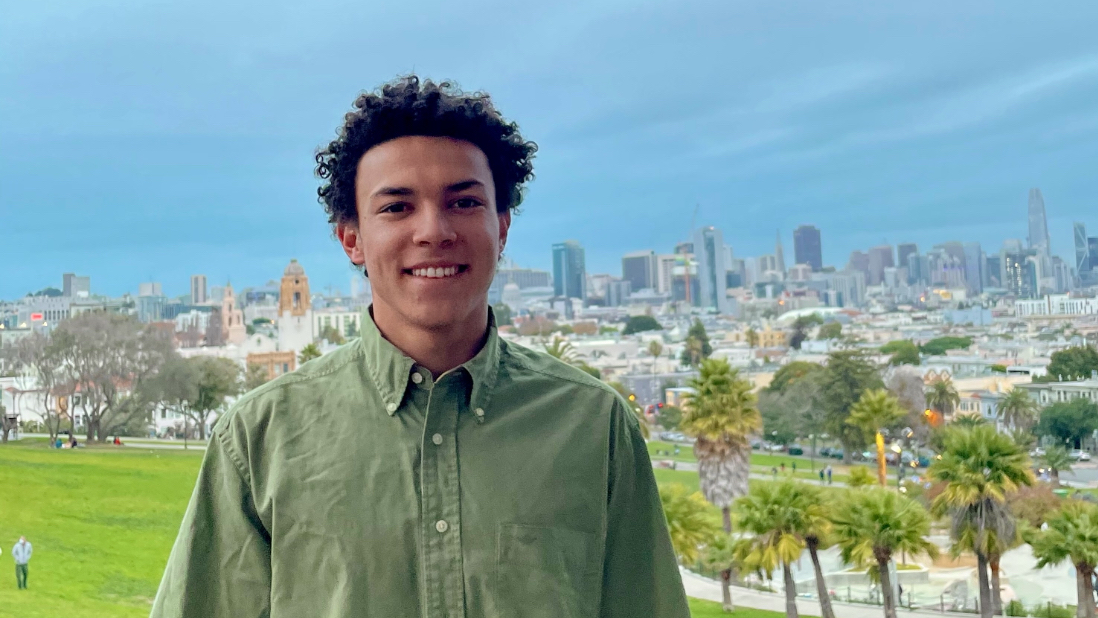
Nick Giorgio MURP ‘25 received the Neville Parker Award for his capstone project on intersection design and safety in Los Angeles.

Featured Content