New research briefs: Learning from three green transportation programs in California
There are more cars on California roads than ever before, threatening the state’s air quality. And landmark new investments in transit and transportation infrastructure could endanger wildlife habitats and sensitive environments.
Researchers with the University of California Institute of Transportation Studies — a network of faculty, students, and staff with branches at UC Berkeley, UC Davis, UC Irvine, and here at UCLA — have produced three research briefs to understand how efforts around the state are mitigating the impact of transportation on California’s environment. The briefs examine what lessons these programs can offer policymakers.
Can Smog Repairs Create Social Justice? The Tune In & Tune Up Smog Repair Program in the San Joaquin Valley
Gregory Pierce and Rachel Connolly
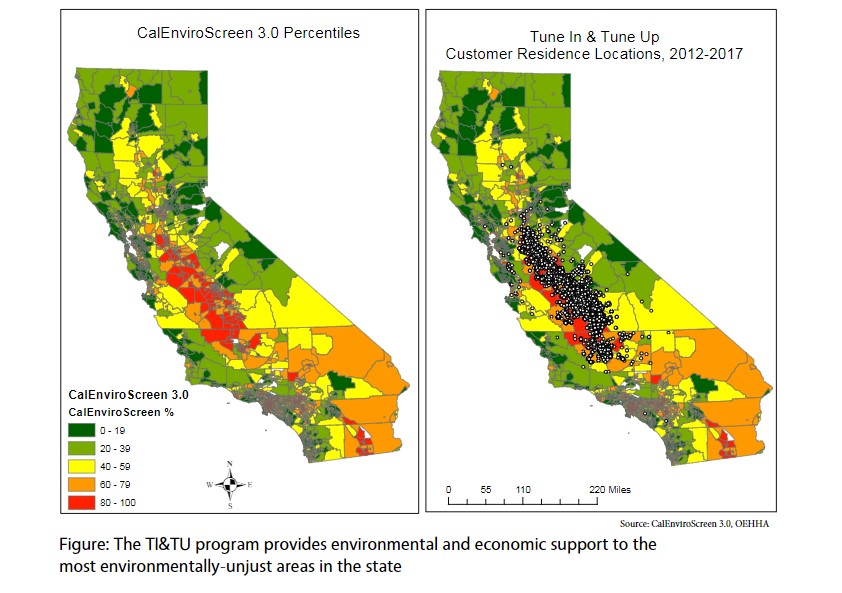
Pierce, an assistant professor at UCLA Luskin and senior researcher at the Luskin Center for Innovation, and Connolly, a graduate student researcher at the Luskin Center, studied an emission testing and smog repair program aimed at combating environmental injustice in one of the state’s most disadvantaged regions (mapped above). In places like the San Joaquin Valley, where the lack of density makes robust public transit options unrealistic, can a smog repair program achieve the emissions reductions necessary to improve air quality and benefit car-dependent, lower-income households?
Design and Implementation of the Enhanced Fleet Modernization Plus Up Pilot Program
Gregory Pierce and J.R. DeShazo
Replacing older, heavily-polluting cars with cleaner, more fuel-efficient vehicles is a first step to greener travel in California. Two UCLA ITS faculty fellows, Pierce and Luskin Center director DeShazo, looked at a pilot program, implemented in the San Joaquin Valley and South Coast air quality districts, to increase incentives for lower-income households to upgrade to hybrid or electric vehicles. What lessons does the program provide the state’s other 33 districts about reaching the most critical households?
Jaimee Lederman
Recent Posts
What if transportation abundance policy focused on access, not just mobility?
A transportation abundance agenda means rethinking investment and management so people can reach what they need, not just move faster or farther through inefficient systems.
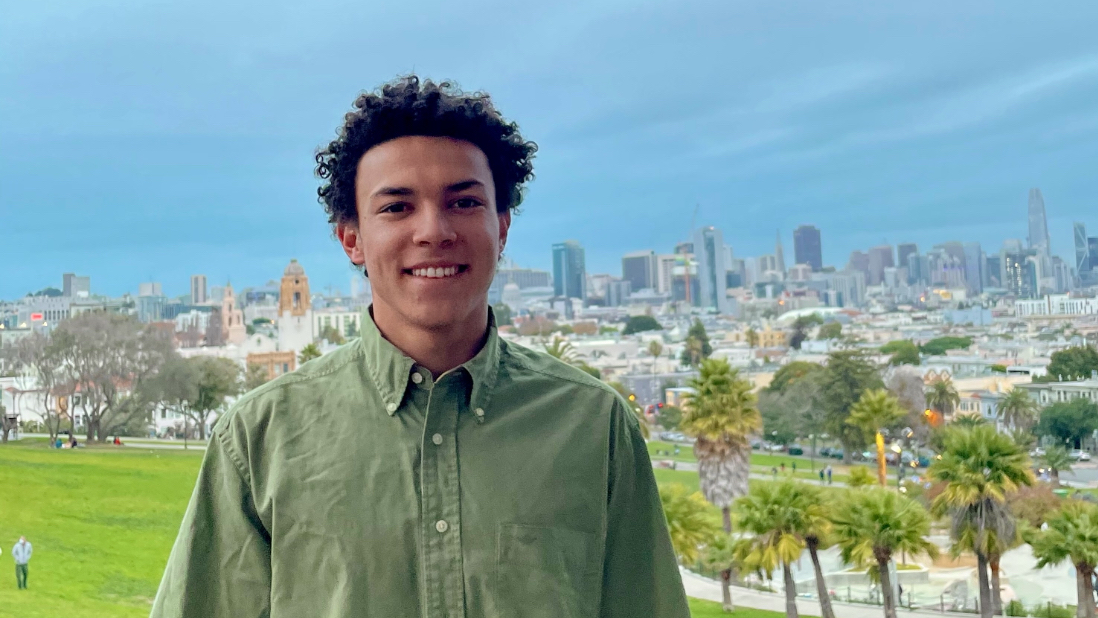
UCLA student wins fourth consecutive national transportation prize
Nick Giorgio MURP ‘25 received the Neville Parker Award for his capstone project on intersection design and safety in Los Angeles.

Featured Content