Why Uber and Lyft drivers are independent contractors — and what does that mean?
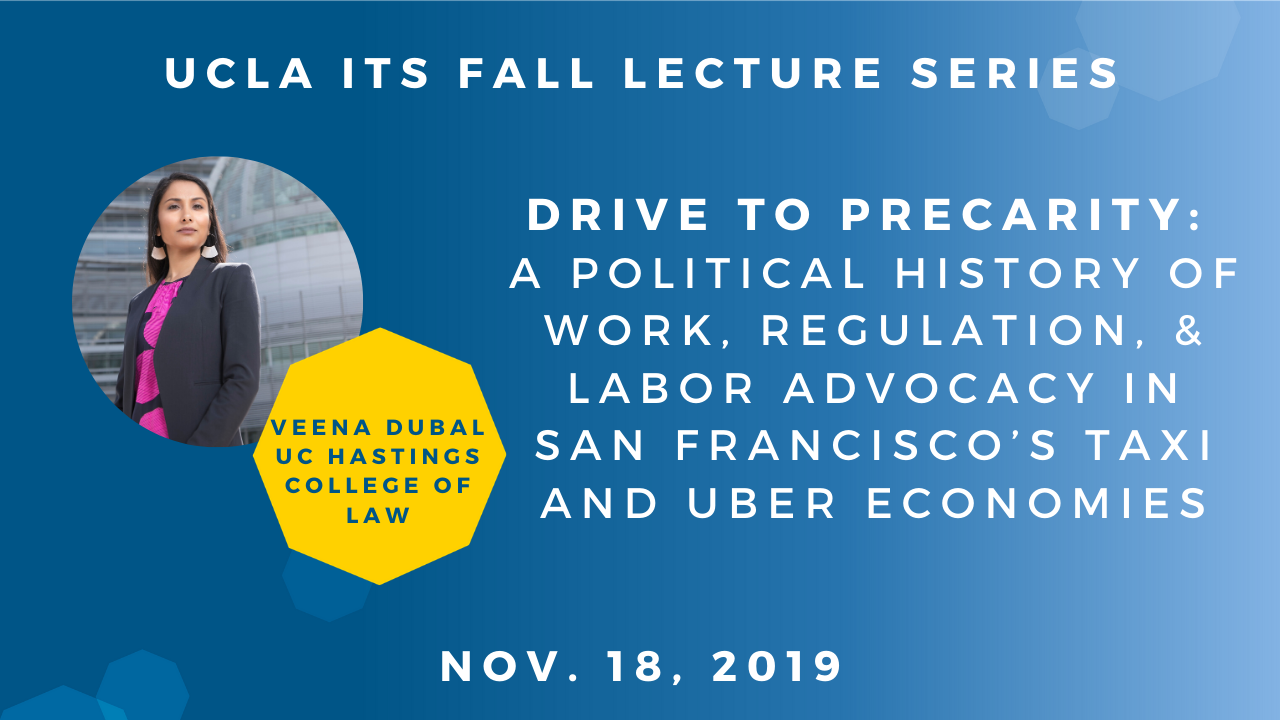
With the recent passage of AB 5 in California — which limits companies’ abilities to classify workers as independent contractors — the topic of Uber and Lyft drivers’ employment statuses has been on the minds of many.
To shed light on the topic, UC Hastings College of Law associate professor Veena Dubal came to UCLA Nov. 18 to discuss how taxi drivers, and later Uber and Lyft drivers, came to hold the classification of independent contractors. Dubal’s talk is part of a six-part lecture series by UCLA ITS.
Dubal provided an overview of how taxi companies encouraged workers to let go of working with unions and classify themselves as independent contractors. The taxi companies presented these arguments under the pretense that taxi drivers could now have more freedom over their earnings and earn more than they had as employees. This campaign was so successful that by the late 1970s almost all taxi drivers were independent contractors.
Several decades later, in 2013, when California legalized Uber and Lyft, drivers operated under the same laws taxi companies had put into place earlier: all drivers were still independent contractors, which meant they operated as their own businesses. California was the first state to allow transportation network companies (TNC), and the state’s legal framework for employment and for TNCs became the standard.
TNC workers have now built their own union called Rideshare Drivers United and are advocating for many of the rights that drivers lost 50 years ago. Their organizing efforts led to the passage of AB 5 earlier this year.
Watch professor Dubal’s lecture below:
Recent Posts
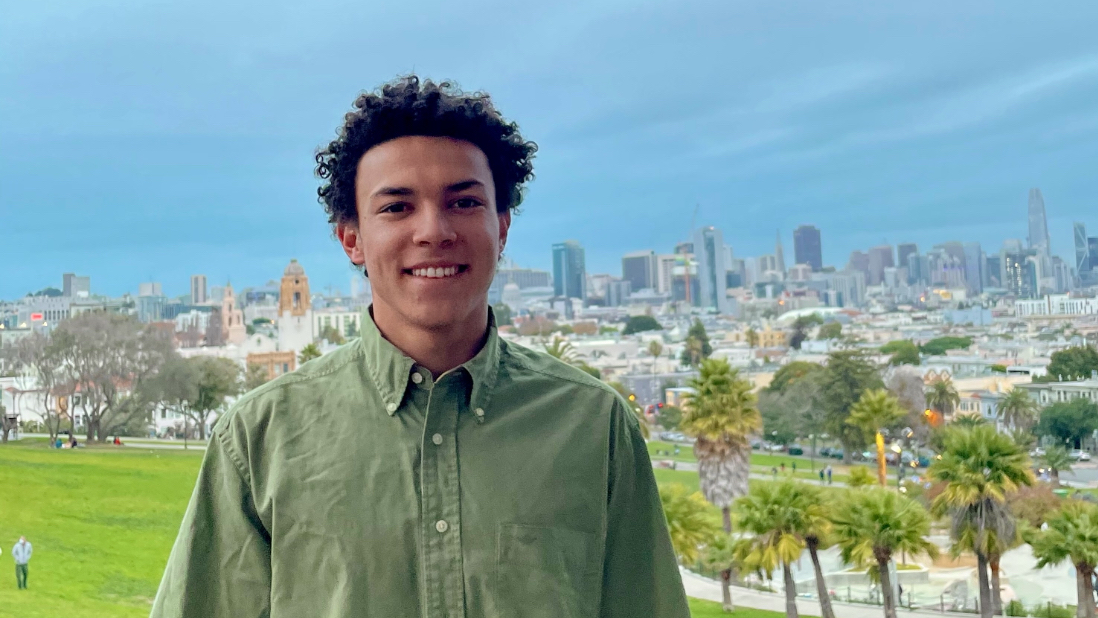
UCLA student wins fourth consecutive national transportation prize
Nick Giorgio MURP ‘25 received the Neville Parker Award for his capstone project on intersection design and safety in Los Angeles.
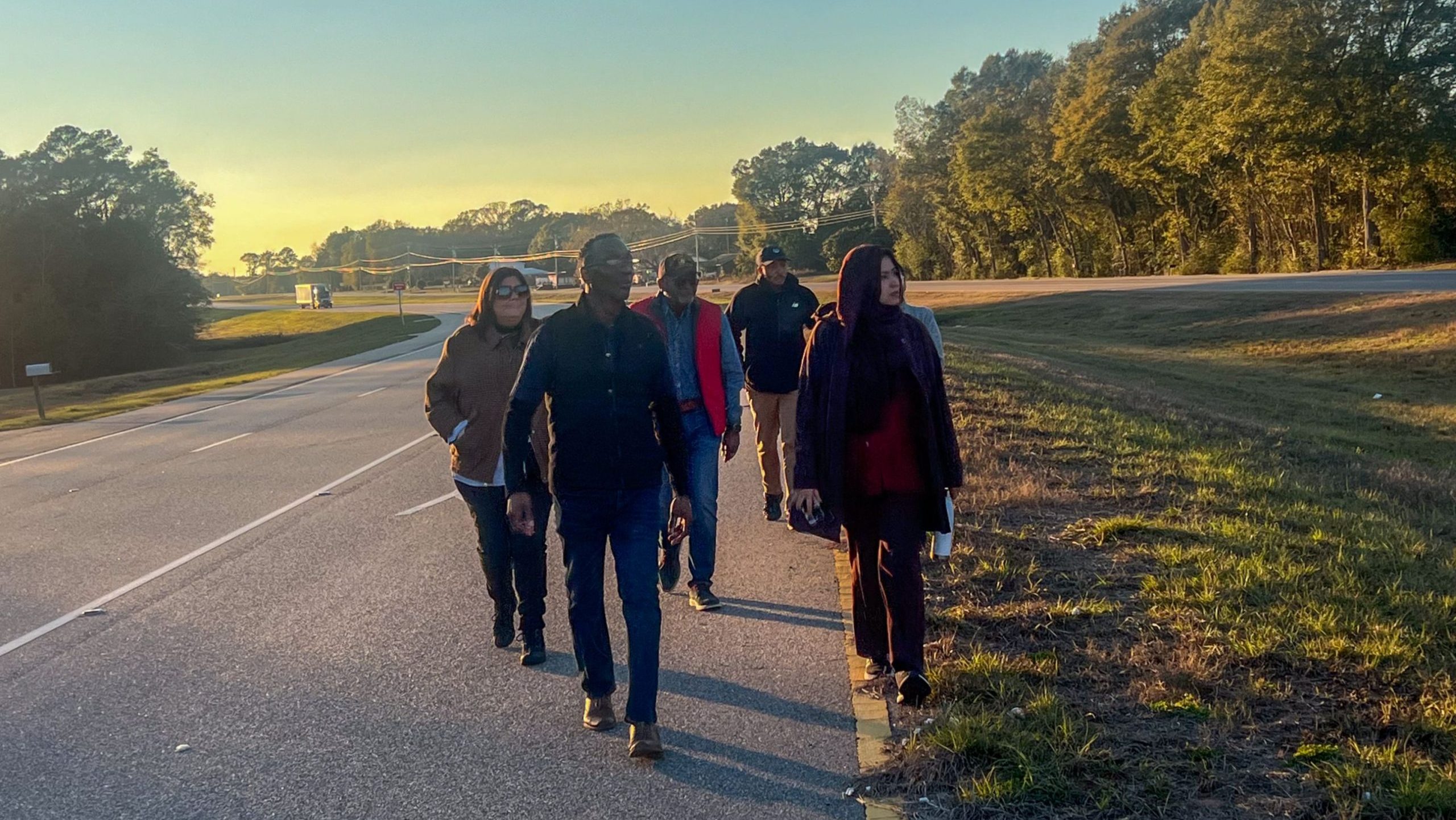
Freeways and floodwaters, UCLA researchers model climate risks of highway expansion
A site visit to Shiloh, Alabama, revealed how a highway expansion created new flooding patterns and grounded climate-risk modeling in community experiences.

Featured Content