Unequal access to remote work during the pandemic
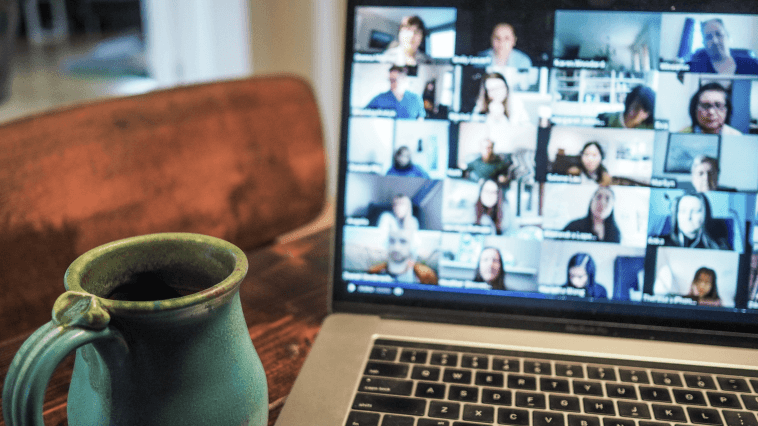
Work from home significantly reduces the risk of contracting COVID-19, yet the ability to telecommute is starkly divided along lines of race, income, and educational attainment. Those unable to work remotely face higher rates of COVID-19, job loss, and lost wages.
In a new brief by the UCLA Center for Neighborhood Knowledge, authors Rosalie Singerman Ray, postdoctoral research associate at the University of Connecticut, and Paul Ong, UCLA research professor and center director, used U.S. Census data from the weekly Household Pulse Survey to examine the relationships between remote work, employment status, and access to work along racial, income, and other systematic disparities.
Their findings provide clear insight on what was broadly known: The pandemic is worsening existing race and class disparities. Access to remote work reduces job displacement, yet after controlling for income and education, Asian, Black, and Hispanic workers are significantly less likely than their white counterparts to switch to remote work.
This is compounded by race-based disparities in income and educational status, factors which also impact ability to work remotely. Ability to work from home rises steadily as income and education increase. For example, 11% of those with less than a high school diploma and 12% of those making less than $35,000 can work remotely. By contrast, 58% of those with at least a bachelor’s degree and 68% of those making at least $150,000 have switched to remote work.
The disparities and risks of in-person work during this pandemic have been recognized at the federal level, with members of Congress proposing a “pandemic premium” hazard pay in the pandemic stimulus bill. Ray and Ong, however, call for longer-term solutions to these inequities, such as permanently raising wages for in-person work to reflect its hazards and essential nature, and addressing unequal access to education beyond the pandemic.
Read full brief “Unequal Access to Remote Work During the COVID-19 Pandemic” >>
Recent Posts
What if transportation abundance policy focused on access, not just mobility?
A transportation abundance agenda means rethinking investment and management so people can reach what they need, not just move faster or farther through inefficient systems.
UCLA student wins fourth consecutive national transportation prize
Nick Giorgio MURP ‘25 received the Neville Parker Award for his capstone project on intersection design and safety in Los Angeles.

Featured Content