New issue of Transfers Magazine tackles long-held assumptions
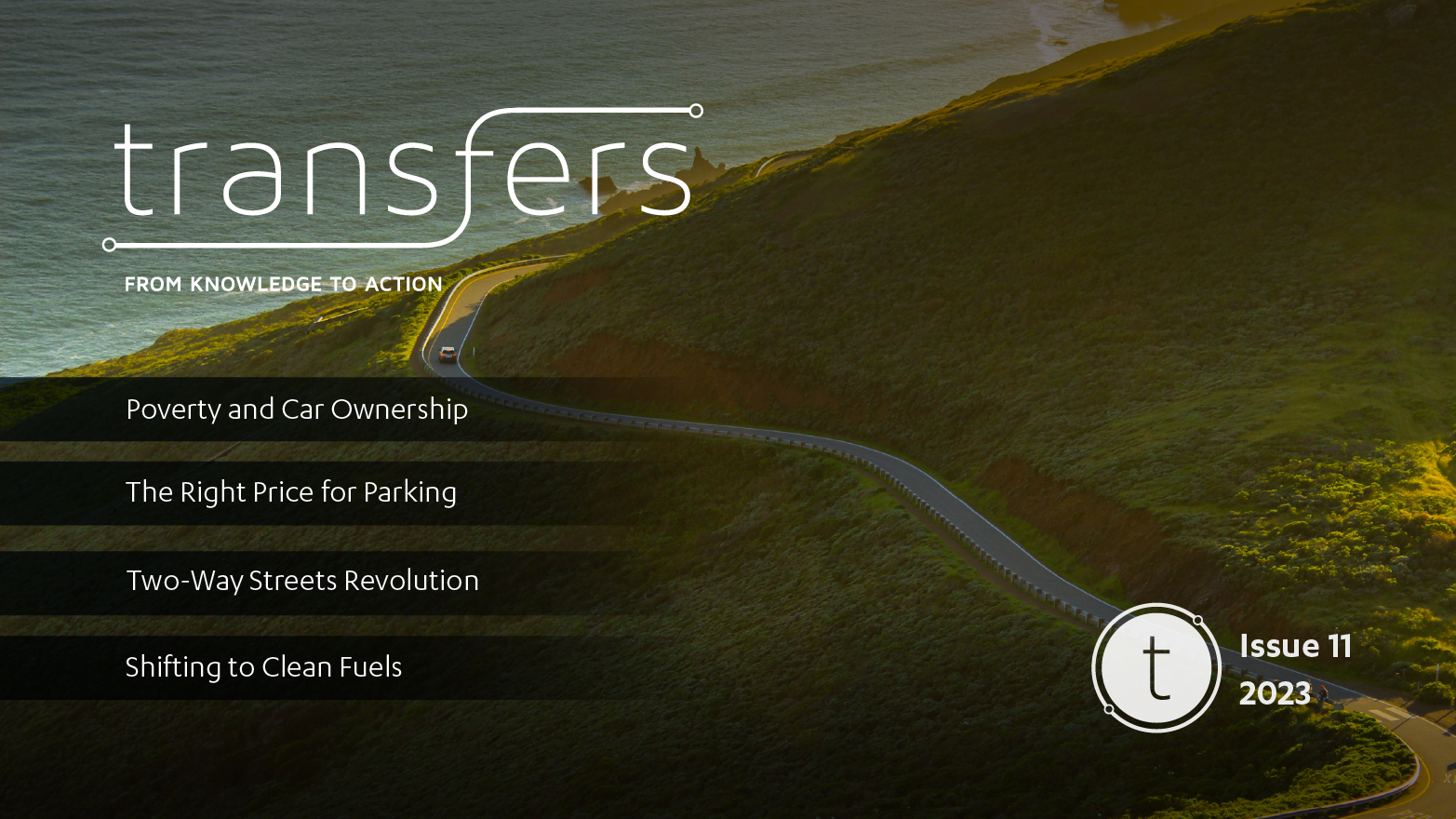
Issue 11 of Transfers Magazine, the biannual digital magazine of the Pacific Southwest Region UTC edited by a team of UCLA faculty, staff and students, was published this month.
The new issue features four articles that each address an assumption or belief related to the transportation system, which the authors question. How can we mitigate the economic burden of carlessness in car-oriented areas? Can curb parking difficulties be solved through demand-based pricing? Are one-way streets really more efficient than two-way? Why isn’t alternative fuel usage for heavy-duty vehicles becoming as widespread as it needs to be?
All of the articles in this issue situate our existing conditions and suggest innovative ways to proceed.
Check out the articles from the latest issue:
Editor’s Note
By Michael Manville
The Necessity of Cars
America is built for driving. We should change that, but in the meantime, we should help low-income people drive.
By Michael Manville, Michael Smart and David King
Parking That’s Just Right
The Goldilocks of curb parking prices
By Donald Shoup
Rethinking the One-Way Street
Two-way streets are good for the city; engineers say they are bad for drivers. But are they?
By Geoff Beoing and William Riggs
Getting Heavy-Duty Vehicle Fleets to Net-Zero
Insights into how fleet owners make environmental decisions
By Youngeun Bae
Transfers Magazine is a biannual research publication of the Pacific Southwest Region University Transportation Center, a federally funded network of eight partner campuses in Arizona, California and Hawaii. Transfers also features a year-round blog covering campus stories, research updates, student projects, news, events, opinions and more.
Recent Posts

What if transportation abundance policy focused on access, not just mobility?
A transportation abundance agenda means rethinking investment and management so people can reach what they need, not just move faster or farther through inefficient systems.
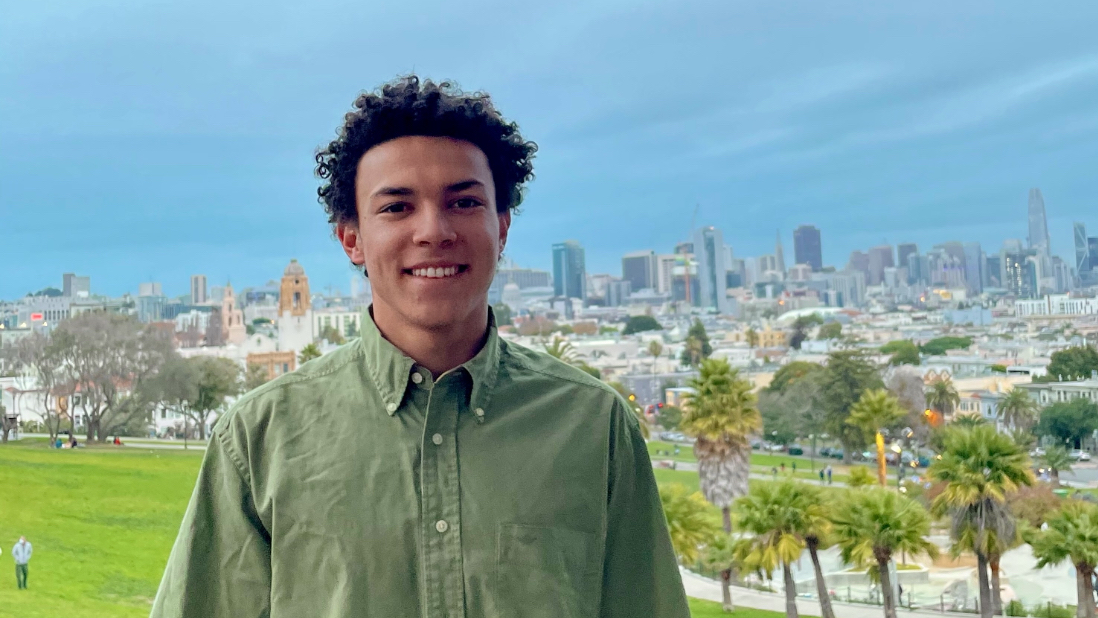
UCLA student wins fourth consecutive national transportation prize
Nick Giorgio MURP ‘25 received the Neville Parker Award for his capstone project on intersection design and safety in Los Angeles.

Featured Content