UCLA experts advocate permitting reform to address housing and transit challenges
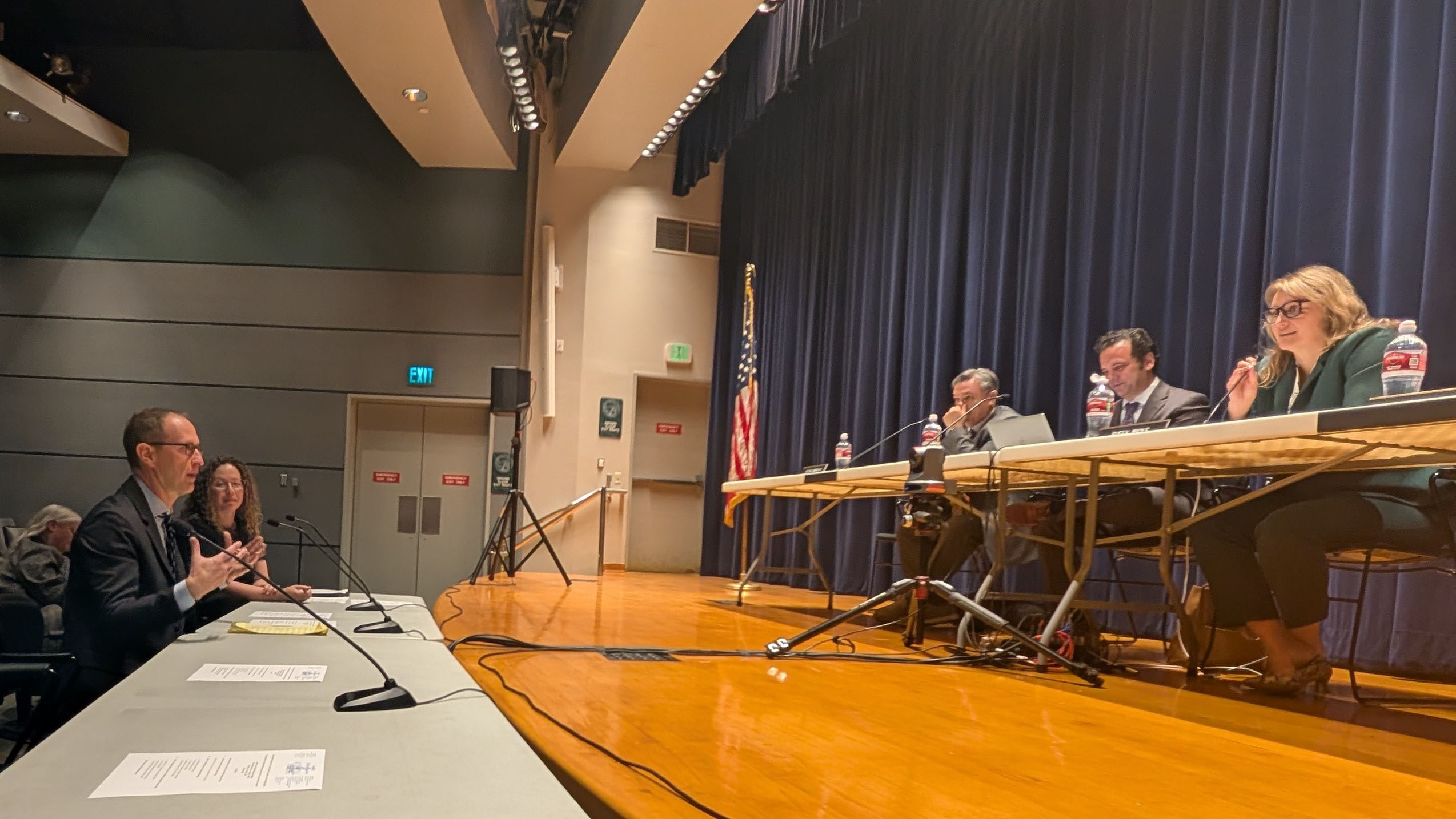
UCLA urban planning and transportation experts provided critical insights during a Nov. 13 informational hearing of the California Assembly Select Committee on Permitting Reform. Chaired by Assemblymember Buffy Wicks, the hearing held in downtown Los Angeles explored how permitting reforms can facilitate infill housing and sustainable transportation investments to reduce greenhouse gas emissions and promote equitable urban growth.
Michael Manville, professor and chair of urban planning at the UCLA Luskin School of Public Affairs, kicked off the session with an overview of California’s housing affordability crisis, primarily brought on by a shortage of new construction. For the past 30 years the state has failed to build enough housing to match its economic and population growth, he said.
Manville explained that while it was once relatively easy to build single-family housing, “today, however, adding supply requires infill, and infill is much harder. Hence, the need for permitting reform.”
“In too much of coastal California, multifamily housing has long been constrained by height limits, density restrictions, parking requirements and lengthy approval processes,” Manville told the committee members.
Housing reforms should focus on simplifying permitting and zoning to boost housing supply. Manville added that inclusionary zoning and similar measures, though well-intentioned, often reduce overall housing production.
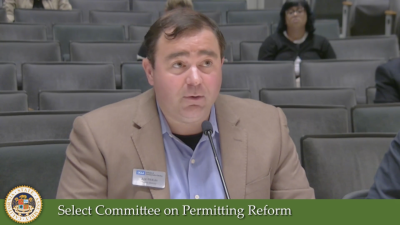
Juan Matute / Screenshot from the Select Committee hearing
While the need for more housing is a critical aspect of California’s future, addressing transportation infrastructure is equally essential for fostering sustainable and livable communities.
UCLA Institute of Transportation Studies deputy director Juan Matute — along with representatives from SPUR, the National Resource Defense Council and select transit agencies — participated on a panel focused on how permitting reform can increase transit ridership.
In his remarks, Matute emphasized that safe, reliable, and frequent transit is essential for attracting riders. Permitting plays a pivotal role in achieving these goals. He cited delays in permitting bus shelters, benches and other bus stop furniture — which provide lighting and shade — as barriers to transit accessibility and public health. Additionally, bus-only lanes and signal prioritization projects, which are crucial for improving reliability, often face significant permitting and coordination challenges.
Matute also said that streamlined permitting could support cost-effective solutions like bus rapid transit (BRT), which deliver rail-like service at a fraction of the cost — an important consideration especially as future federal funding for rail becomes uncertain.
Featured photo: Michael Manville (left) speaking before the Select Committee on Permitting Reform (credit: Juan Matute)
Recent Posts

What if transportation abundance policy focused on access, not just mobility?
A transportation abundance agenda means rethinking investment and management so people can reach what they need, not just move faster or farther through inefficient systems.
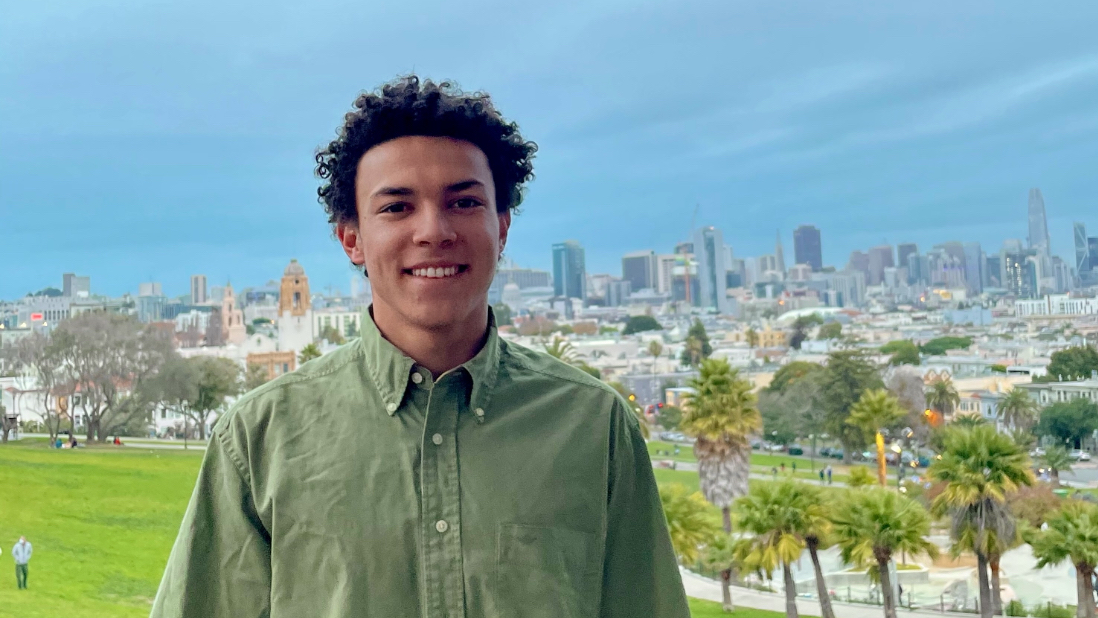
UCLA student wins fourth consecutive national transportation prize
Nick Giorgio MURP ‘25 received the Neville Parker Award for his capstone project on intersection design and safety in Los Angeles.

Featured Content