ITS awards capstone analyzing intersection treatments for safer streets

Each year, urban planning graduate students at the UCLA Luskin School of Public Affairs put their skills to the test by completing a thesis or capstone project on behalf of real-world clients. ITS supports this award-winning work by providing funding to a number of students as they tackle some of the region’s most pressing transportation, climate, and equity issues.
UCLA ITS recognized five student projects this year. Among the transportation-related capstone projects, the grand prize went to Nick Giorgio, MURP ‘25 for his project on intersection safety, completed in partnership with the Los Angeles Department of Transportation.
ITS Capstone Grand Prize
Intersection Traffic Calming Treatments: A Comparative Analysis | Nick Giorgio
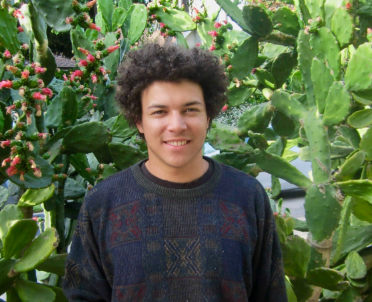
Nick Giorgio
For millions of Angelenos, sitting in traffic is a frequent, if not daily, occurrence. Navigation apps like Waze, however, have increasingly rerouted drivers through smaller, local streets to bypass main thoroughfares — creating an influx of non-local traffic in Los Angeles neighborhoods.
In a city where traffic fatalities are a leading cause of death, this raises not only safety but also equity concerns as vulnerable populations, such as children, older adults, and communities of color are at higher risk of vehicle collisions.
To address these concerns, Giorgio teamed up with LADOT to evaluate different types of residential intersection improvements as part of the agency’s Neighborhood Enhanced Network and broader Vision Zero goals.
Giorgio focused his study on all-way stop controls (like four-way stop signs), traffic circles, and mini-roundabouts across more than 30 residential intersections throughout the city. Using speed data from StreetLight, he analyzed the relative effectiveness of each improvement type in slowing traffic and minimizing conflicts.
Across all three types, Giorgio found the presence of safety controls alone is not enough — context and design matter. Installation of mini traffic circles, for example, may be more appropriate in busier residential areas where all-way stops might otherwise compromise safety benefits by worsening congestion, blocking transit vehicles, and reducing overall mobility.
Giorgio said the balance between traffic engineering and livability can often feel like a trade-off, but doesn’t have to be.
“Roads are the largest share of public space in Los Angeles, and how we design them reflects our values,” he said. “I hope planners and policymakers begin to see traffic calming not just as a traffic safety tool, but as a way to make our neighborhoods more connected and equitable.”
To maximize safety and livability, Giorgio recommends three main actions: pair all-way stops with midblock treatments like speed humps; expand the use of neighborhood traffic circles with careful attention to design; and further pilot mini-roundabouts, particularly on collector streets where stop signs are less appropriate.
Brian Taylor, professor of urban planning and public policy, served as Giorgio’s faculty advisor. Taylor said that traffic safety has declined alarmingly in Los Angeles and around the U.S. since the pandemic, and was impressed by Giorgio’s project. “His work advances our understanding of the potential benefits of intersection treatments to reduce vehicle speeds and increase pedestrian and cyclist safety in communities,” Taylor said.
2025 Student Capstones
| Award | Student | Project | Client |
|---|---|---|---|
| 1st Place | Nick Giorgio | Intersection Traffic Calming Treatments: A Comparative Analysis | Los Angeles Department of Transportation |
| 2nd Place | Eisha Shakeel | Pedestrianization and Urban Connectivity: A Study of Broxton Pedestrian Plaza | Westwood Village Improvement Association |
| Co-3rd Place | Annie Chan | Stress-Free Connections: A Best-Practices Analysis | Los Angeles Department of Transportation |
| Co-3rd Place | Quentin Grellier | EV Public Fast Charging for Urban Renters | AECOM |
| Honorable Mention | Gema Martinez Castillo | Sawtelle Mobility Study | West Los Angeles Sawtelle Mobility Environmental Committee |
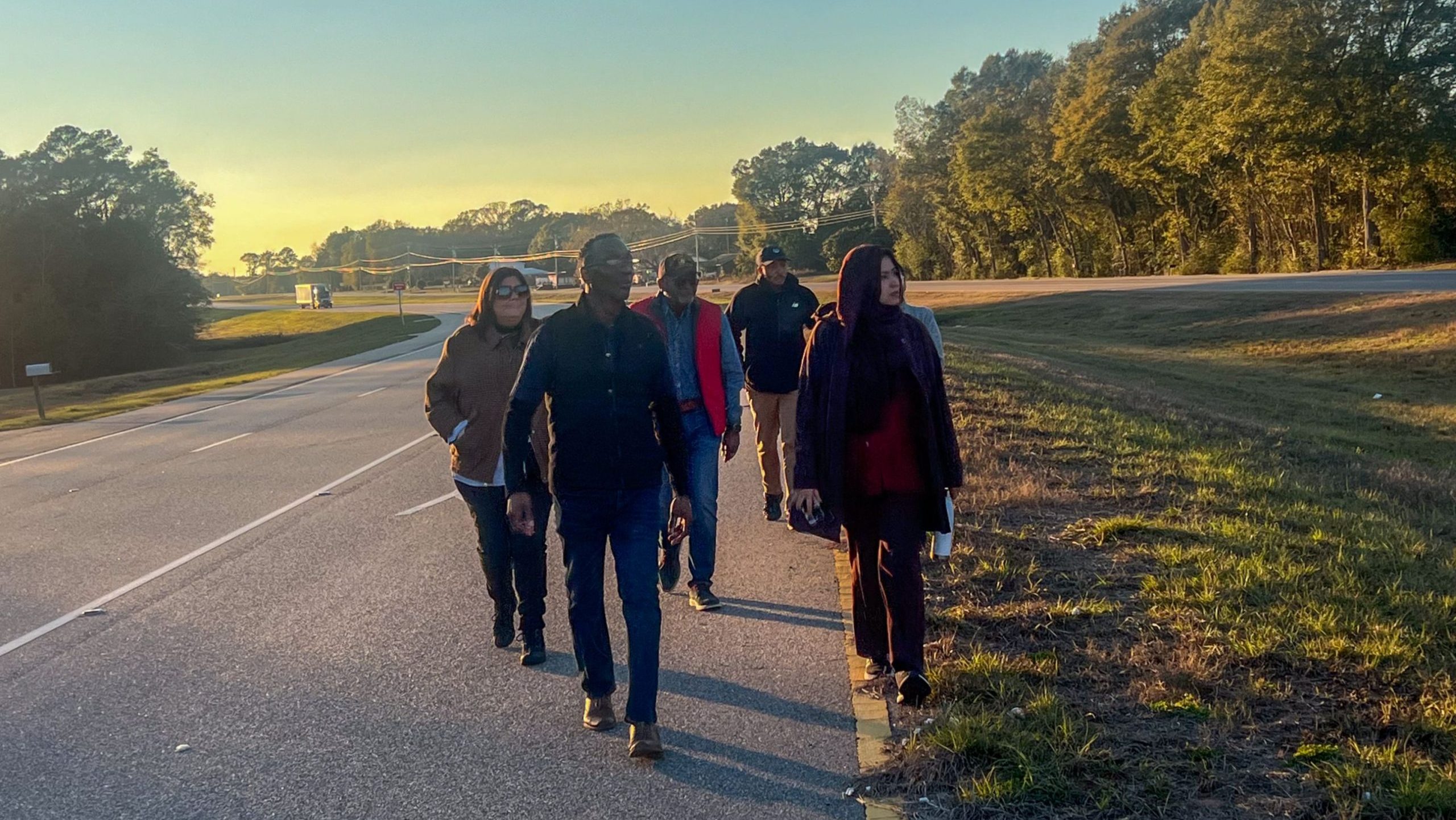
Featured image: A neighborhood mini traffic circle (Credit: City of Long Beach/Mobility Toolkit)
Recent Posts

What if transportation abundance policy focused on access, not just mobility?
A transportation abundance agenda means rethinking investment and management so people can reach what they need, not just move faster or farther through inefficient systems.
UCLA student wins fourth consecutive national transportation prize
Nick Giorgio MURP ‘25 received the Neville Parker Award for his capstone project on intersection design and safety in Los Angeles.

Featured Content