UCLA student wins fourth consecutive national transportation prize
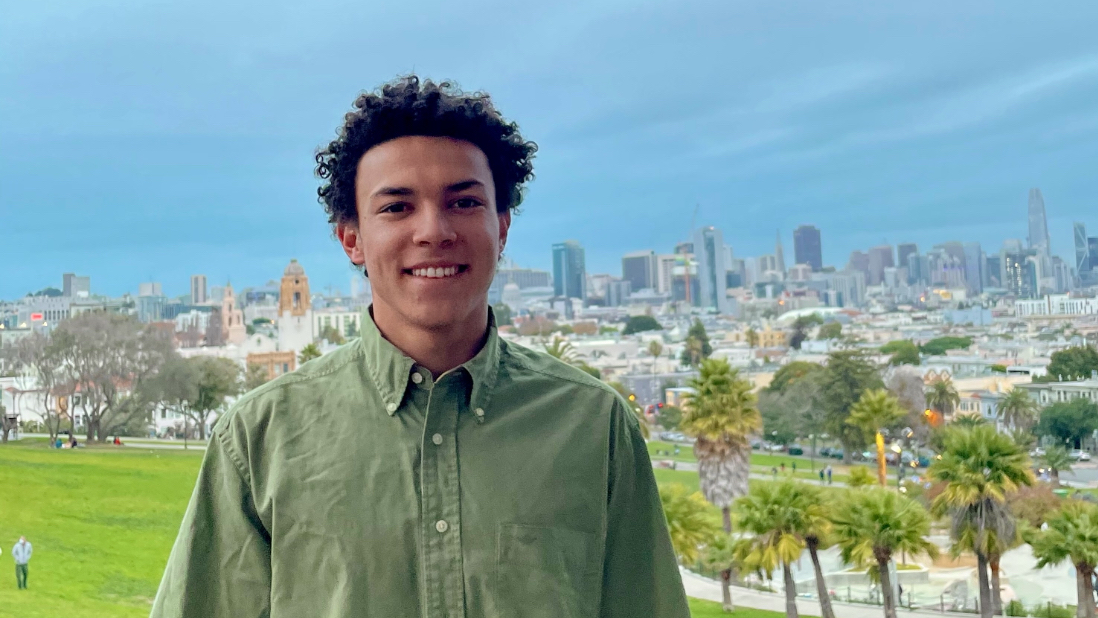
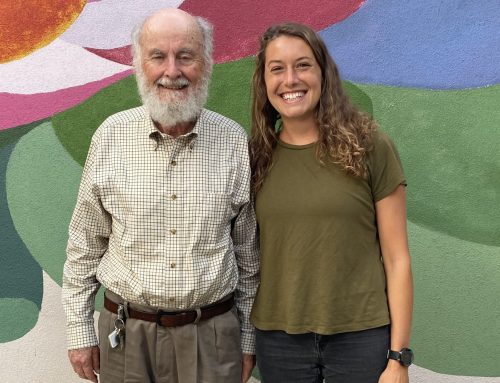
UCLA graduate Nick Giorgio MURP ‘25 has been named the latest recipient of the Council of University Transportation Centers’ (CUTC) Neville A. Parker Award for his comprehensive analysis of traffic-calming treatments in Los Angeles neighborhoods. The award was presented Jan. 10 at CUTC’s annual banquet in Washington, D.C.
The Parker Award recognizes two students each year for outstanding master’s projects — one in transportation policy and planning, and one in science and technology. Giorgio’s win marks the fourth consecutive year a UCLA student has received the honor — and the 15th UCLA recipient since 2002.
“This award means a great deal to me, especially considering how strong many of the other capstone projects were,” Giorgio said. “It was a tough competition.”
Giorgi’s project, “Intersection Traffic Calming Treatments: A Comparative Analysis”, also earned the 2025 UCLA ITS capstone grand prize.
Evaluating traffic-calming treatments in Los Angeles
Giorgio partnered with the Los Angeles Department of Transportation (LADOT) to evaluate different types of residential intersection improvements as part of the agency’s broader Vision Zero goals. This work also complemented LADOT’s Neighborhood Enhanced Network initiative to address congestion and safety impacts on residential streets — where cut-through traffic from main thoroughfares has been on the rise.
Giorgio examined more than 30 residential intersections across Los Angeles, focusing on three common treatments: all-way stop controls, traffic circles, and mini-roundabouts. Using speed data from StreetLight, he analyzed how each intervention performed in reducing vehicle speeds and minimizing conflicts.
Across all three types, Giorgio found the presence of safety controls alone is not enough — context and design matter. Installation of mini traffic circles, for example, may be more appropriate in busier residential areas where all-way stops might otherwise compromise safety benefits by worsening congestion, blocking transit vehicles, and reducing overall mobility.
Designing streets for safety and livability
Giorgio said the balance between traffic engineering and livability can often feel like a trade-off, but doesn’t have to be.
“Roads are the largest share of public space in Los Angeles, and how we design them reflects our values,” he said. “I hope planners and policymakers begin to see traffic calming not just as a traffic safety tool, but as a way to make our neighborhoods more connected and equitable.”
To maximize safety and livability, Giorgio recommends three main actions: pair all-way stops with midblock treatments like speed humps; expand the use of neighborhood traffic circles with careful attention to design; and further pilot mini-roundabouts, particularly on collector streets where stop signs are less appropriate.
Brian Taylor, professor of urban planning and public policy, served as Giorgio’s faculty advisor. Taylor emphasized the urgency of the work, noting that traffic safety has declined sharply in Los Angeles and nationwide since the pandemic.
“Nick’s analysis brings much-needed clarity to the question of what types of intersection treatments actually make neighborhoods safer,” Taylor said. “He tackled this question with enthusiasm and rigor, and I was honored to work with a student so dedicated to producing quality, evidence-based, and actionable results.”
Giorgio expressed gratitude for Taylor’s support and for the national platform the award has provided — one Taylor hopes will “accelerate the adoption of safer intersection treatments in neighborhoods everywhere.”
Resources
Featured image: Courtesy of Nick Giorgio
Recent Posts

What if transportation abundance policy focused on access, not just mobility?
A transportation abundance agenda means rethinking investment and management so people can reach what they need, not just move faster or farther through inefficient systems.
Freeways and floodwaters, UCLA researchers model climate risks of highway expansion
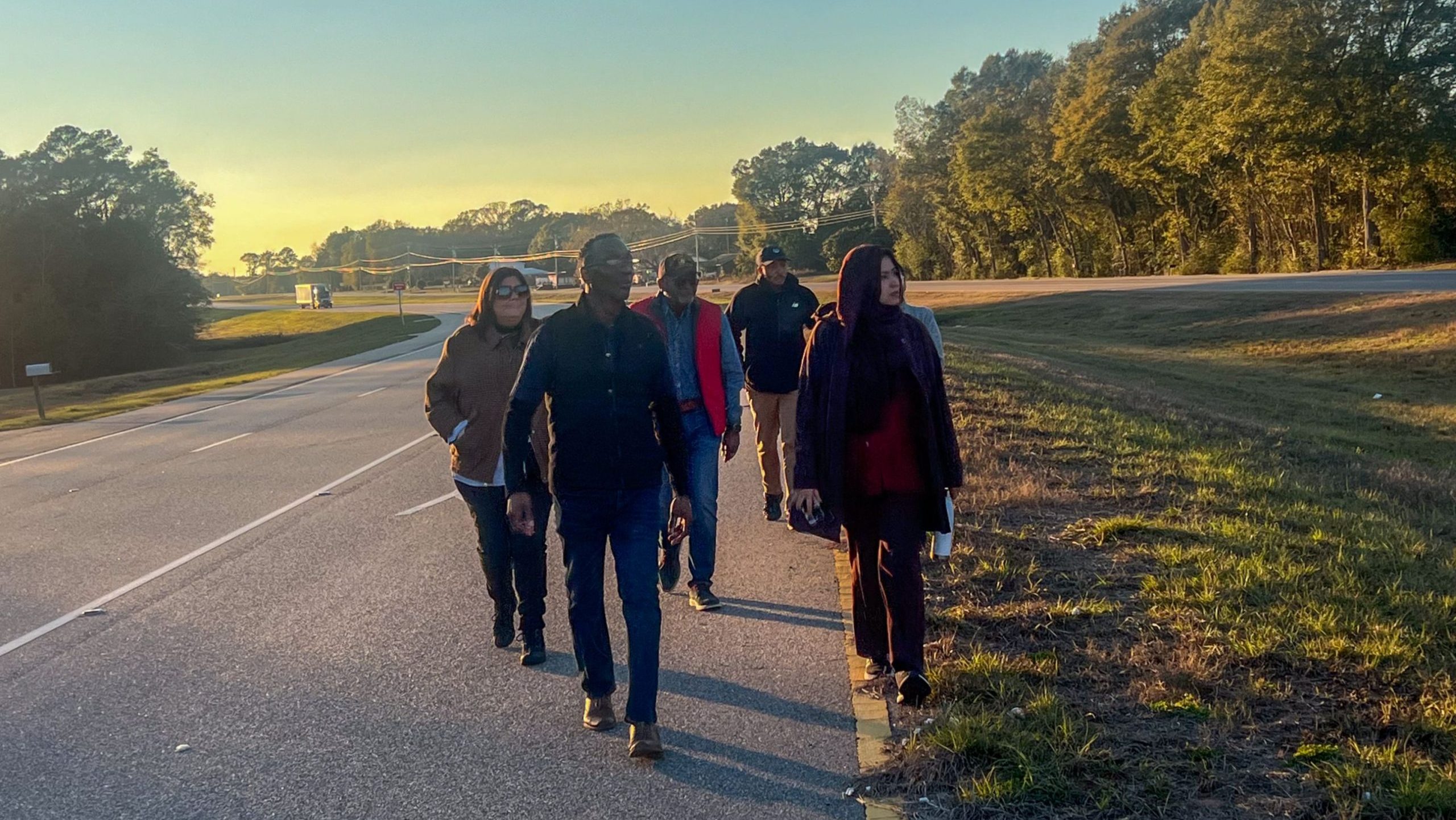
A site visit to Shiloh, Alabama, revealed how a highway expansion created new flooding patterns and grounded climate-risk modeling in community experiences.

Featured Content