Student News & Awards

Nick Giorgio MURP ‘25 received the Neville Parker Award for his capstone project on intersection design and safety in Los Angeles.

The CP-X initiative will develop systems that let vehicles, infrastructure and road users share real-time awareness to improve safety.

When four Florida undergraduate students arrived at UCLA in late June, they knew little about the field of transportation research. Eight weeks later, they are preparing to submit a paper on the spatial and demographic characteristics of low-emission vehicle users to a peer-reviewed journal.

This year’s top student capstone projects looked at street safety, pedestrian plazas and EV charging for renters.
Studying Transportation at UCLA
Transportation Degree Programs
While UCLA ITS does not admit students to UCLA, we support and work with students while they are here. Prospective graduate students wishing to study transportation at UCLA should consider the following degree programs.
UNDERGRADUATE DEGREES
GRADUATE DEGREES
DOCTORAL DEGREES
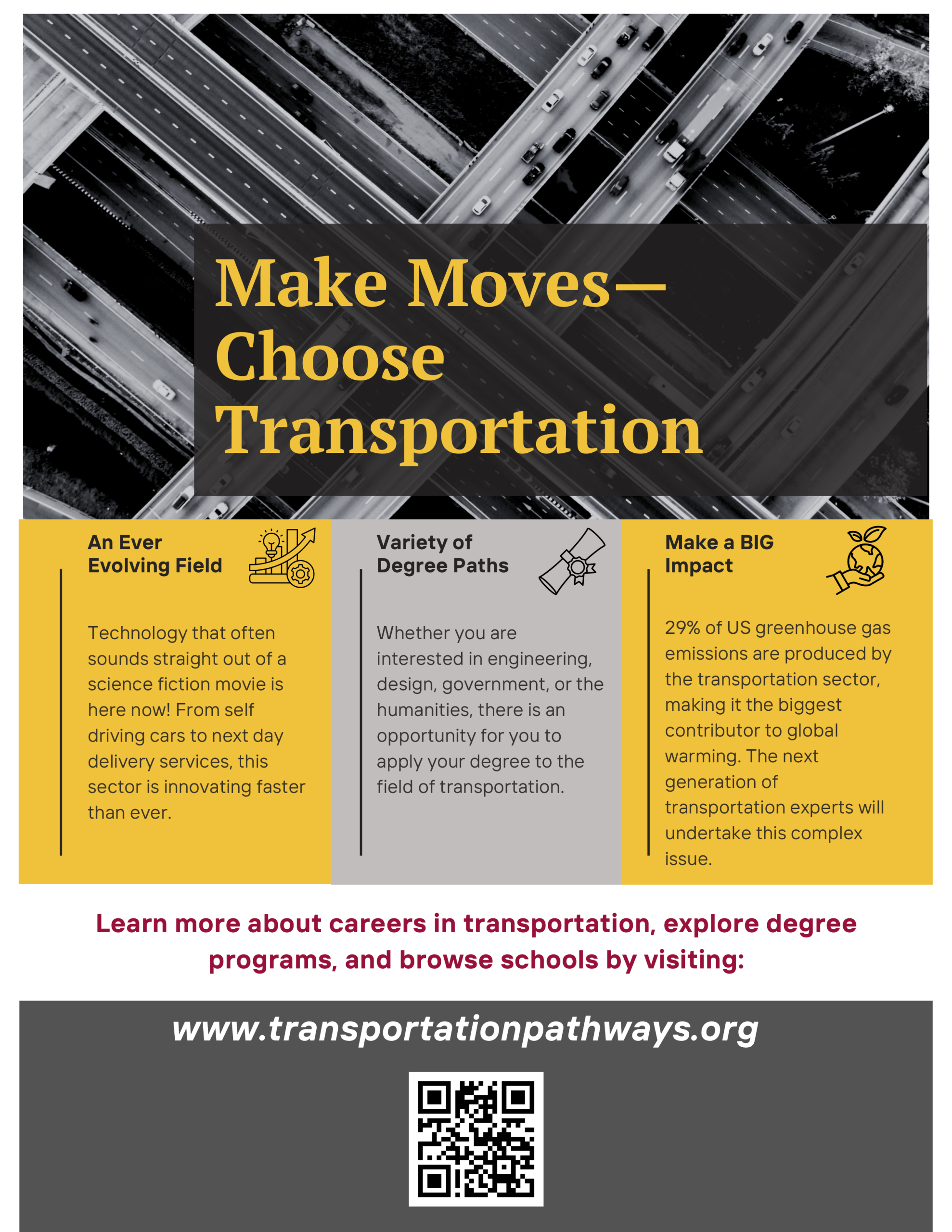
Emphasize transportation as part of your undergraduate studies
Undergraduate students interested in transportation can pursue a B.S. in Civil Engineering and B.A. in Public Affairs, both of which can include transportation coursework. Unfortunately, undergraduate students are not eligible for UCLA ITS financial assistance.
Master’s degrees prepare students for professional transportation practice
Students applying to Luskin School programs (MPP, MURP) should be sure to check the box on your application asking about ITS fellowship consideration to be eligible for ITS support.
Master of Science in Civil Engineering
This one- to two-year program allows students to learn about transportation engineering and related planning topics, including traffic system operations and control, intelligent transportation systems, transportation planning, transportation network system analysis, travel behavior and demand modeling, resilient infrastructure systems and health monitoring, and highway safety. Graduates go on to careers in transportation engineering, most often in local, regional, state, and federal governments, as well as consulting, advocacy, and applied research.
This two-year, full-time program is for students interested in careers in transportation policy. While there is no formally defined MPP concentration in transportation, students can work with Luskin School transportation faculty in crafting a transportation-focused MPP program drawing on the large array of Luskin transportation course offerings. Graduates go on to careers in transportation policy, most often in local, regional, state, and federal governments, as well as consulting, advocacy, and applied research.
Master of Urban and Regional Planning
UCLA’s most popular two-year, full-time program for students interested in transportation. It emphasizes both transportation planning and policy, as well as its intersections with land use, housing, urban design, economic development, and other planning sectors. Graduates go on to careers as transportation planners and practitioners in local, regional, state, and federal governments; planning consulting; advocacy groups; and applied research.
Academic doctoral degrees prepare students for careers in transportation research and teaching
Students should be sure to check the box on your application asking about ITS fellowship
Four- to five-year program for those interested in careers in transportation research in consulting, government, and advocacy, as well as research and teaching in university settings. The UCLA Civil Engineering PhD program (transportation concentration) focuses on new mobility and infrastructure technologies and systems and the intersection of travel behavior, economics, engineering, regulation, and infrastructure. Admitted students will be referred to ITS by the PhD Admissions Chair or their advisor.
PhD in Environment and Sustainability
Four- to five-year interdisciplinary program on environmental sustainability for students interested in physical sciences and transportation. Students are eligible for UCLA ITS fellowship aid if pursuing a transportation course of study and coming to the program with a transportation faculty member as an advisor. Admitted students’ advisors should contact UCLA ITS.
Four- to five-year program for those interested in careers in transportation research in consulting, government, and advocacy, as well as research and teaching in university settings. The UCLA Urban Planning PhD program has placed more graduates in transportation planning faculty positions in the U.S. than any other PhD program. Admitted students will be referred to ITS by the PhD Admissions Chair or their advisor.
SAMPLE COURSES
LEARN FROM LEADING EXPERTS
How UCLA ITS Supports Students
Student Groups
Student Groups
Provides support for UCLA student clubs like the Institute of Transportation Engineers and the Women in Transportation Seminar
Research Project Support
Research Project Support
Provides support for final-year capstone student projects, including project ideas, fellowships, grants for direct costs, and prizes for exemplary projects
Students-Only Forum
Students-Only Forum
Dedicated space for students to learn about scholarship, research and employment opportunities
Alumni Network
Alumni Network
Multiple opportunities to connect with more than 600 alumni throughout the world, with high concentrations in Los Angeles and the San Francisco Bay Area
Gallery
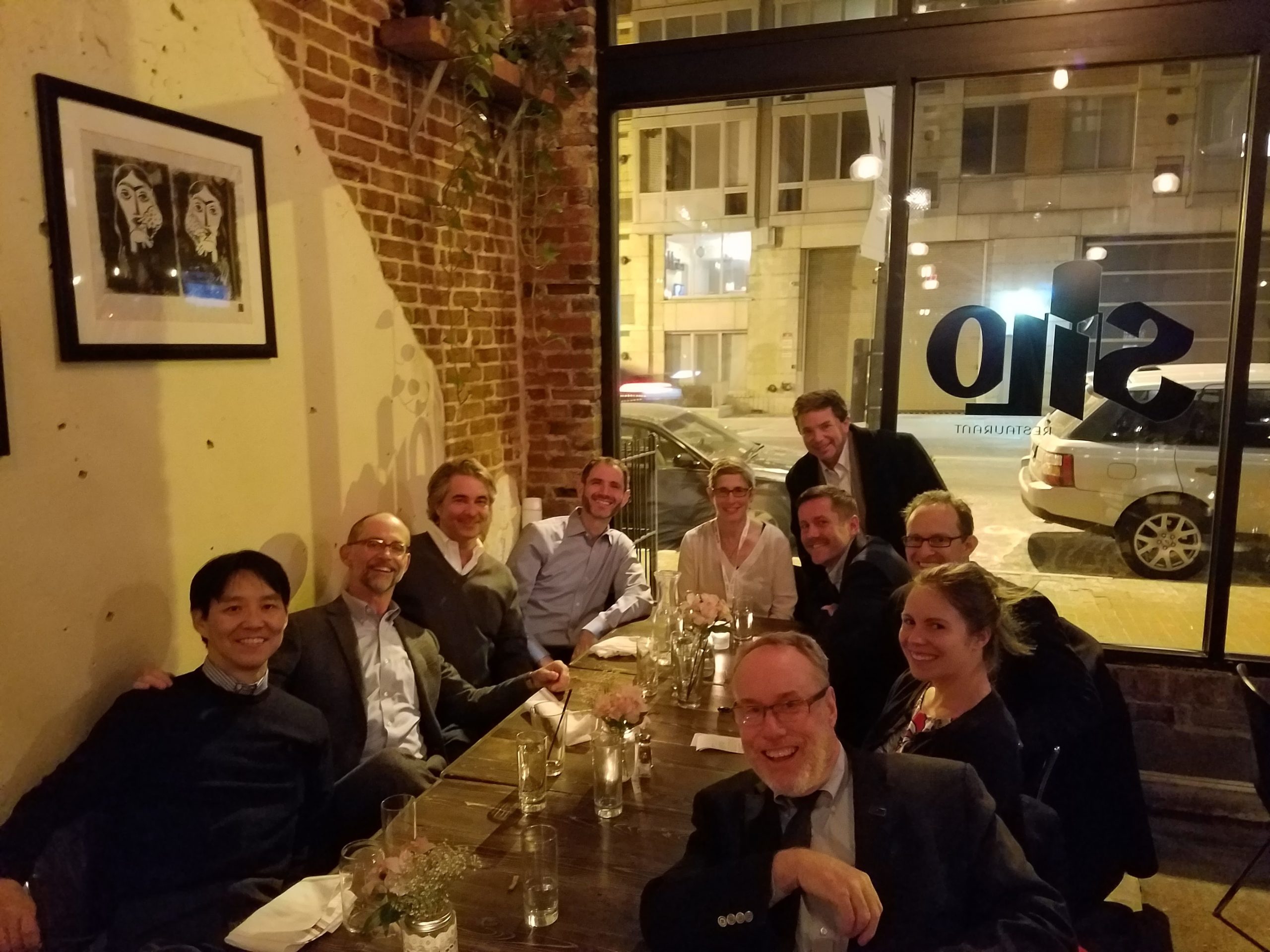
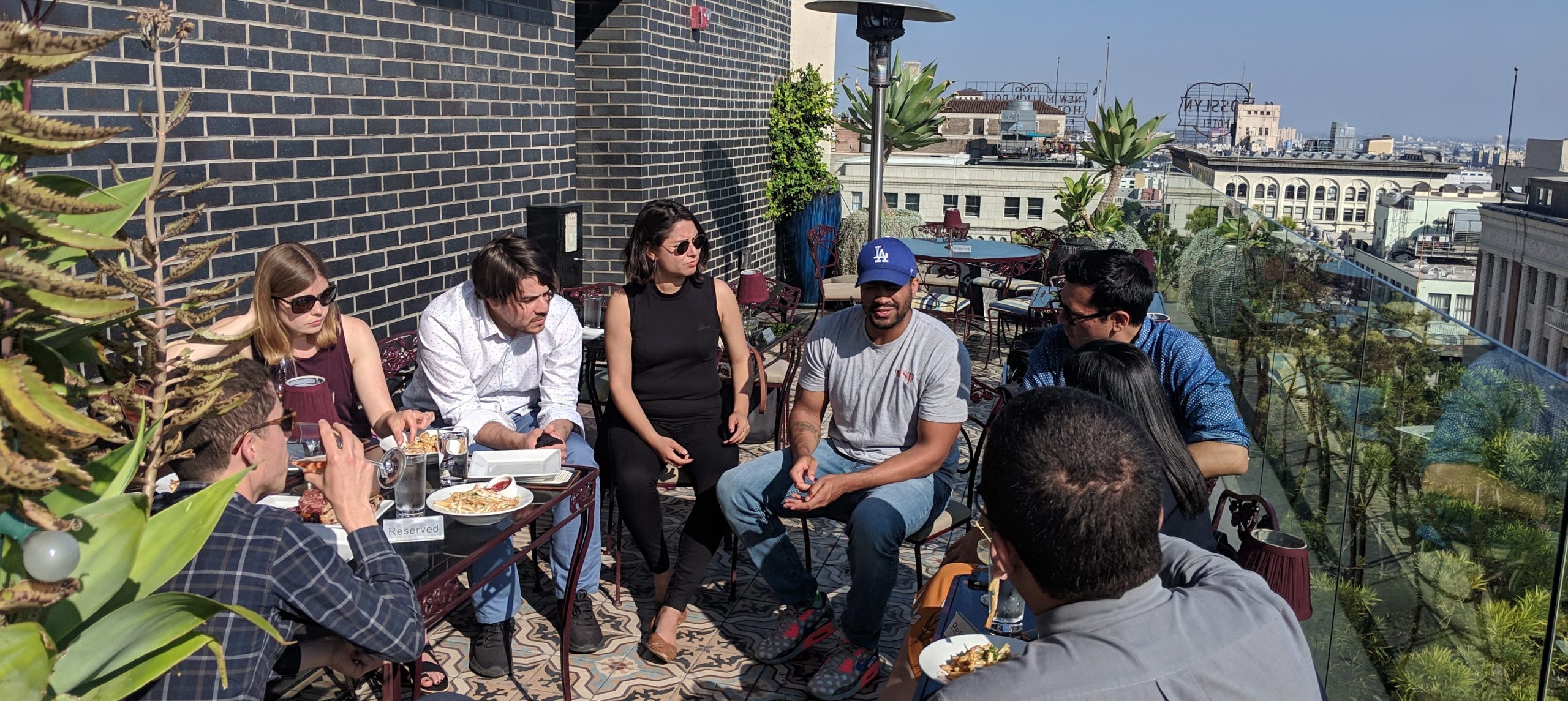
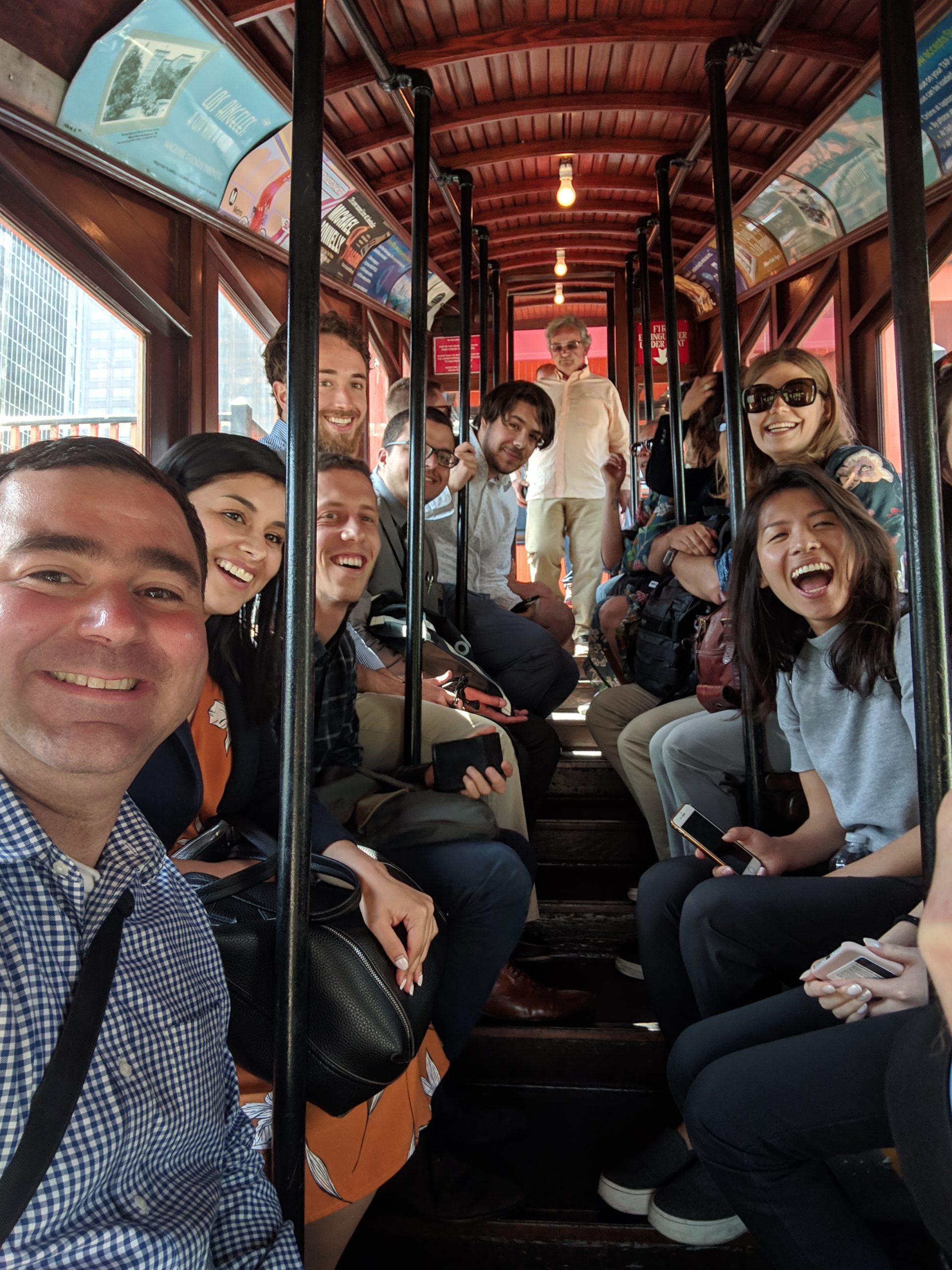
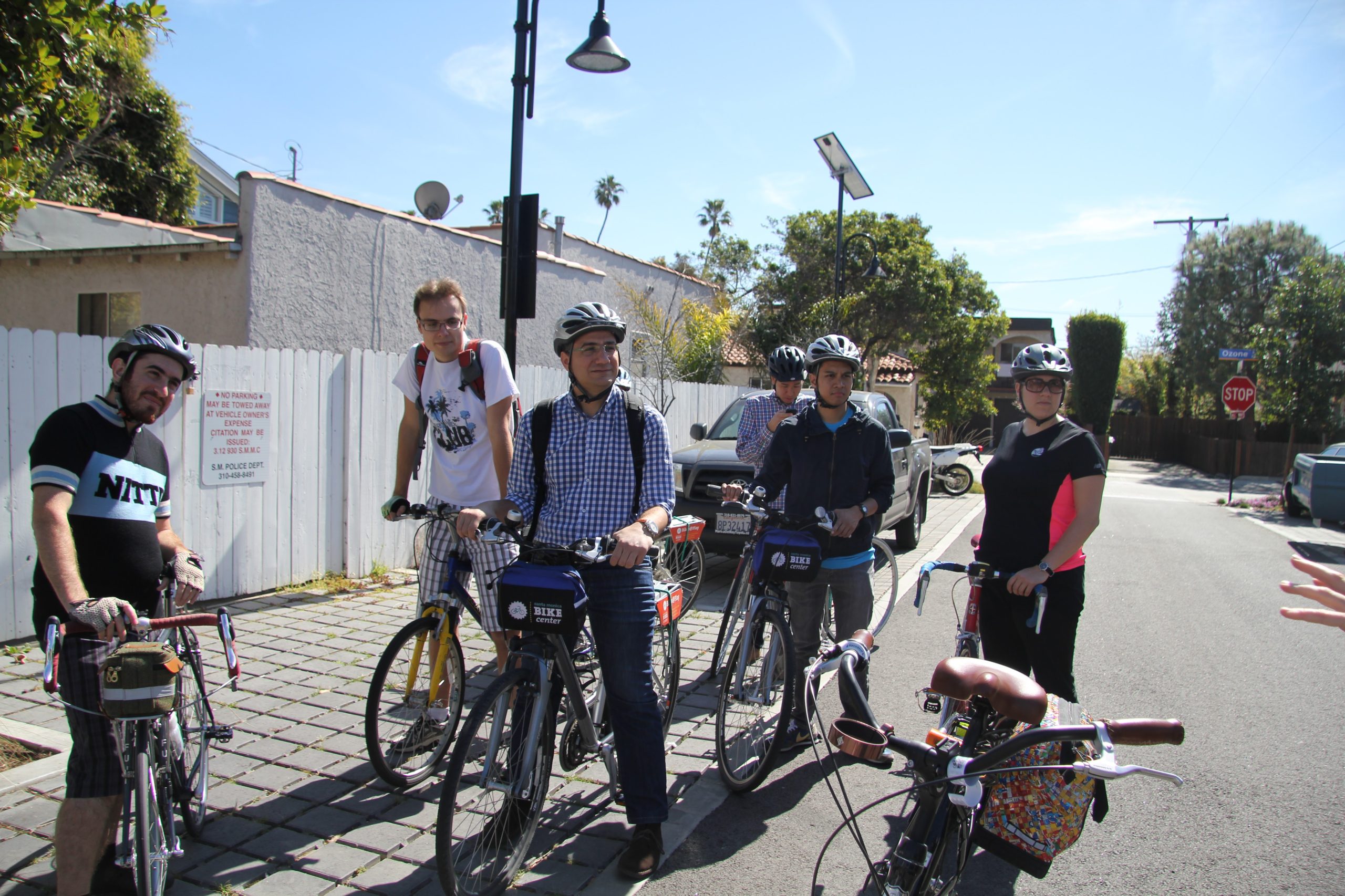
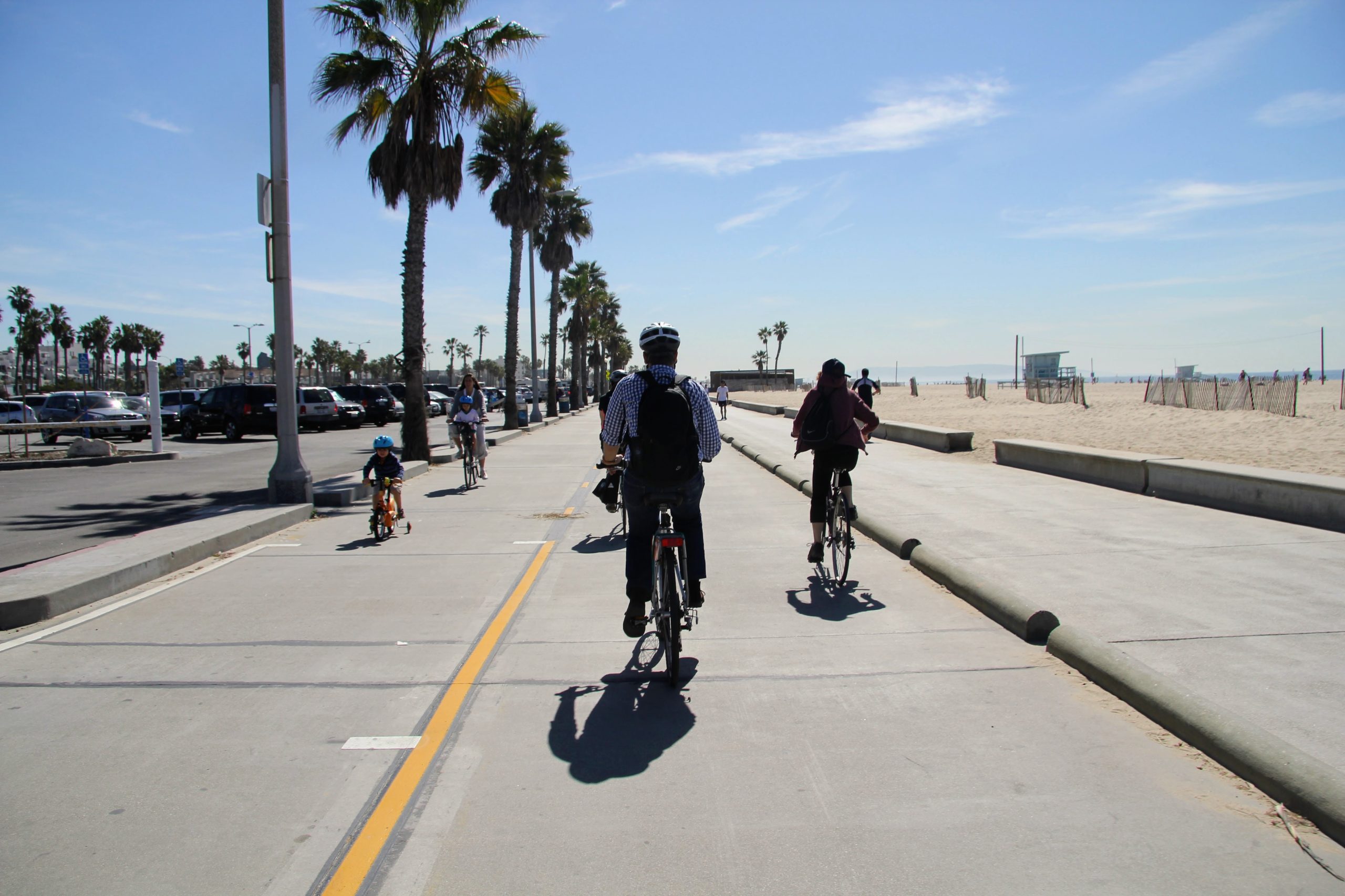
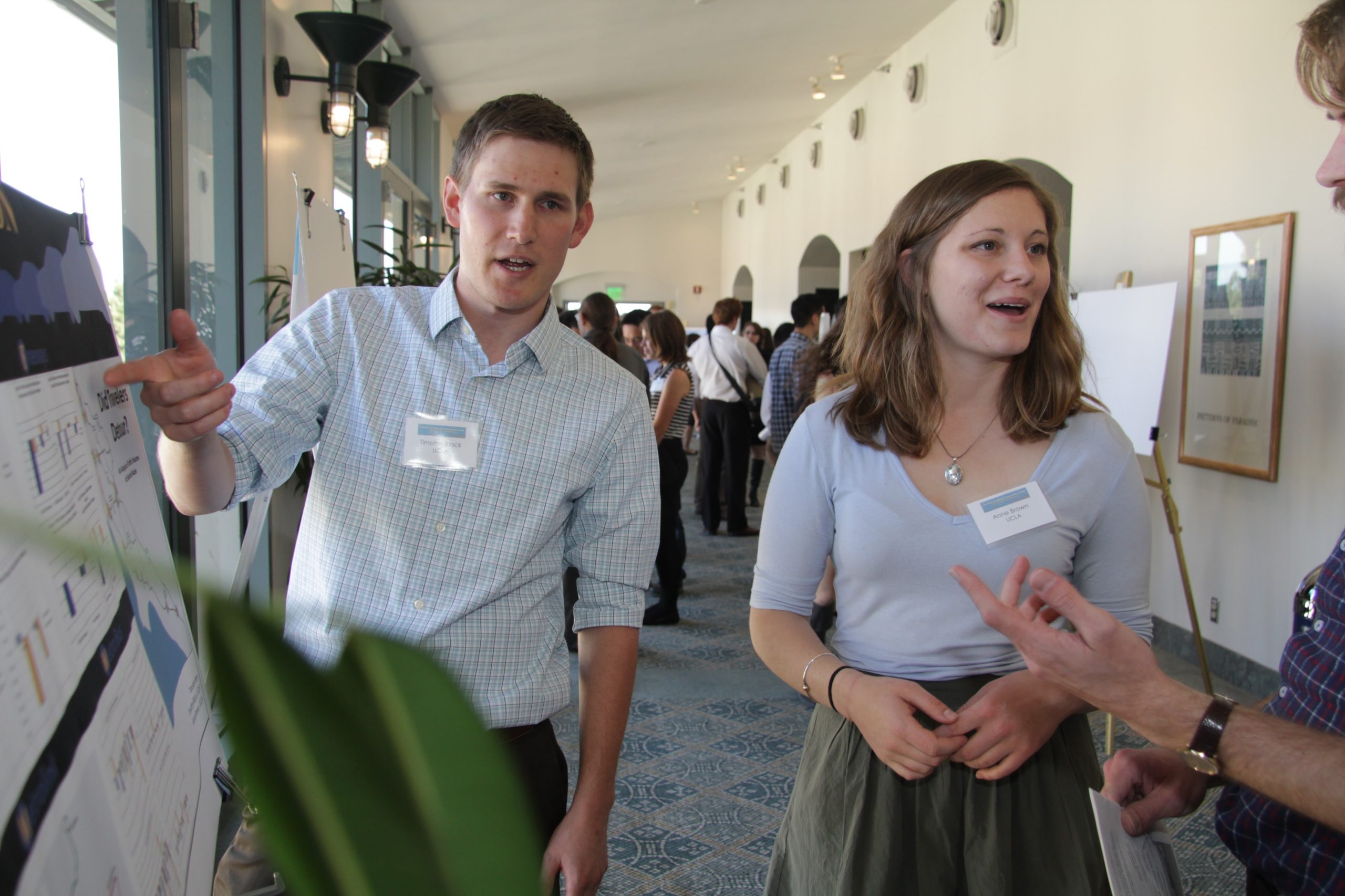








Our Students Have Interned and Worked With Local Agencies and National Firms