

Recent Posts
New report: No such thing as free parking
Our new analysis provides updated per-space parking cost estimates and calculates how required parking drives up total construction costs.

What if transportation abundance policy focused on access, not just mobility?
A transportation abundance agenda means rethinking investment and management so people can reach what they need, not just move faster or farther through inefficient systems.
UCLA student wins fourth consecutive national transportation prize
Nick Giorgio MURP ‘25 received the Neville Parker Award for his capstone project on intersection design and safety in Los Angeles.
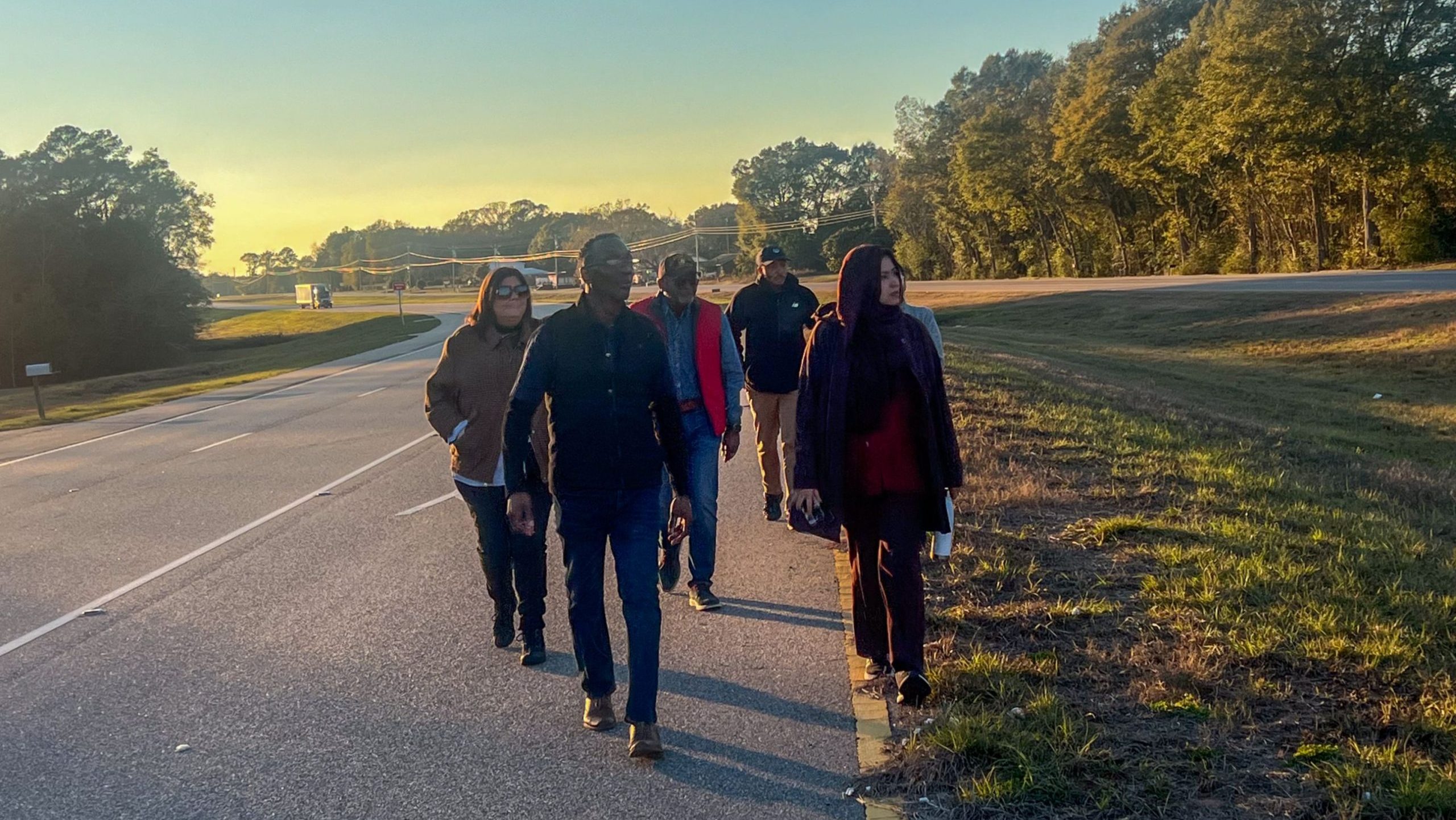
Freeways and floodwaters, UCLA researchers model climate risks of highway expansion
A site visit to Shiloh, Alabama, revealed how a highway expansion created new flooding patterns and grounded climate-risk modeling in community experiences.

Meet the manager of UCLA’s new Center for Parking Policy
Three years after earning her master’s degree, Ellen Schwartz has returned to UCLA, where she'll provide technical assistance to local and state officials throughout the policymaking process — from evaluation to implementation.
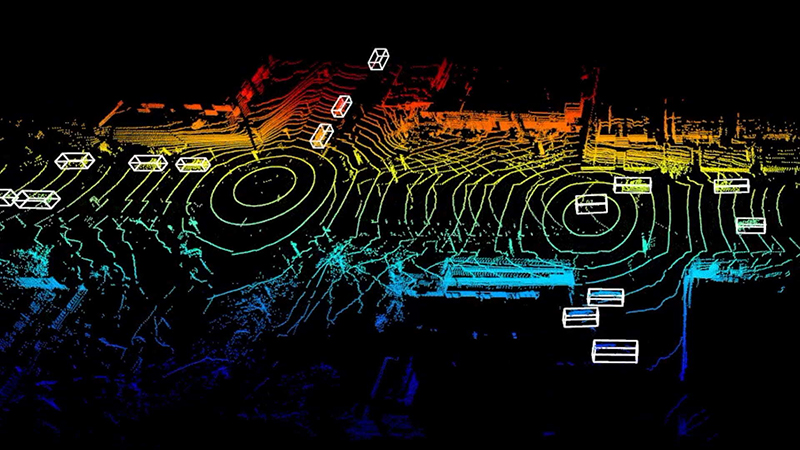
UCLA Mobility Center receives $2.5 million federal grant to advance cooperative perception technology
The CP-X initiative will develop systems that let vehicles, infrastructure and road users share real-time awareness to improve safety.
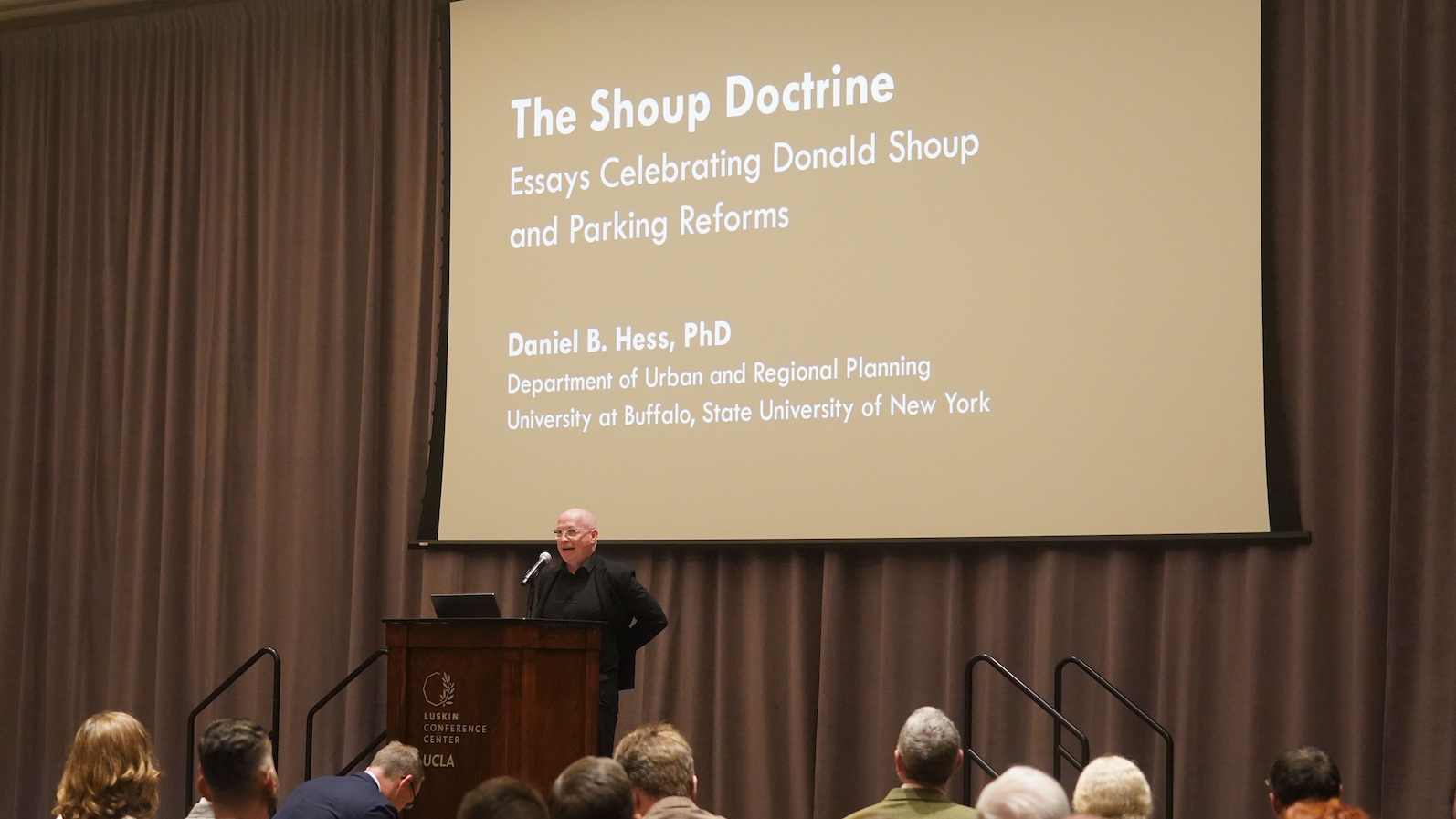
Easy reading, hard writing: “The Shoup Doctrine” honors Donald Shoup’s life and ideas
Hundreds gathered at UCLA for the launch of a new book honoring Shoup's lasting legacy on parking policy and urban planning.
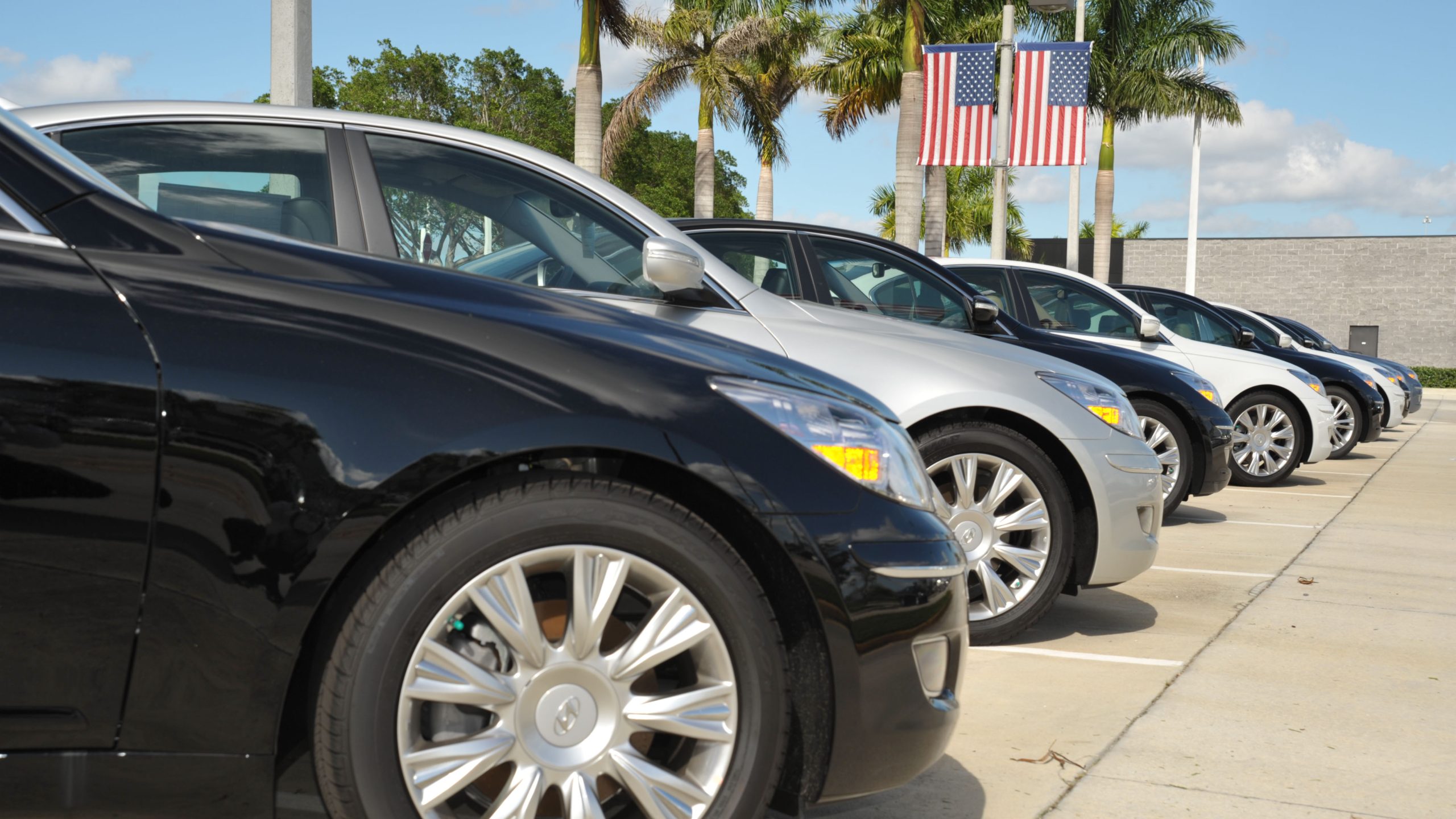
An unequal burden: UCLA researchers document the disproportionate impact of auto debt
The nation's second largest source of consumer debt falls unevenly across communities. Women and communities of color carry a disproportionate burden — inequities that have worsened since the pandemic.
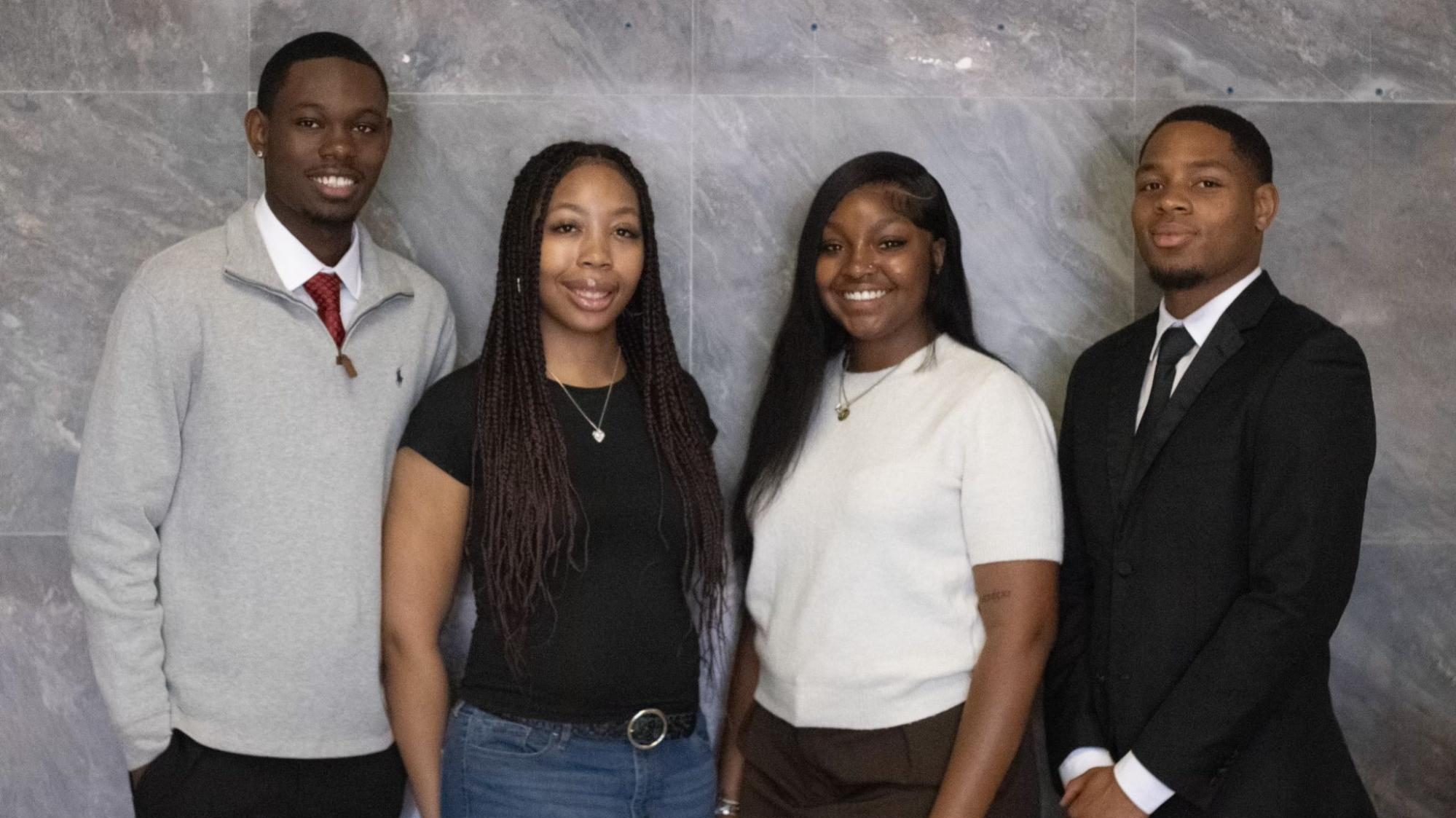
From newcomers to scholars: HBCU students explore transportation research at UCLA
When four Florida undergraduate students arrived at UCLA in late June, they knew little about the field of transportation research. Eight weeks later, they are preparing to submit a paper on the spatial and demographic characteristics of low-emission vehicle users to a peer-reviewed journal.
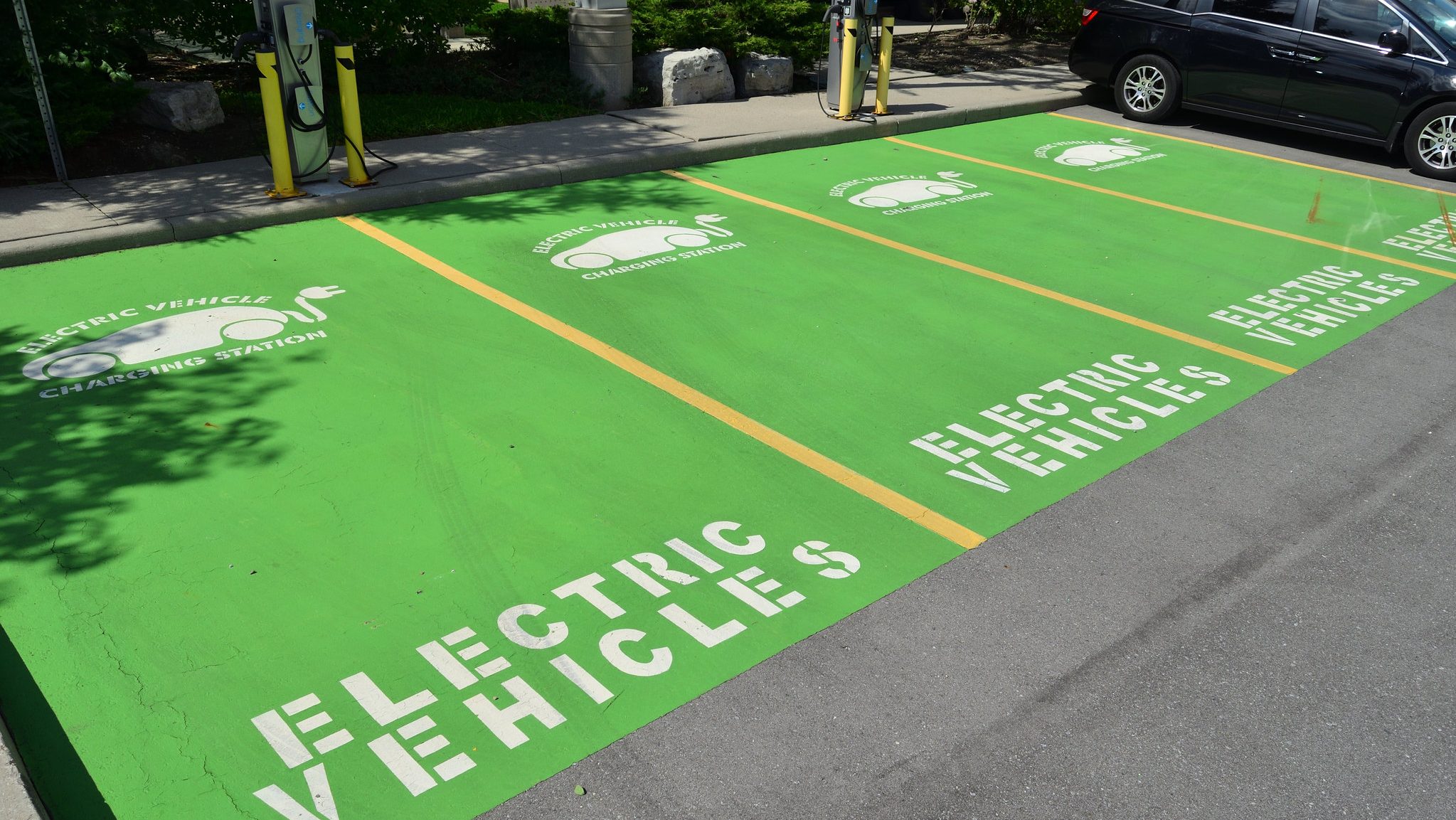
New research reveals stark inequities in EV charger access
Study maps nationwide EV charger access, exposing severe service gaps and reliability issues in disadvantaged communities, where residents face fewer, often broken, and poorly maintained chargers.
New UCLA center to support parking reform
As more cities worldwide rethink parking mandates and curb management, the UCLA Center for Parking Policy will support policymakers with research-driven guidance, building on Donald Shoup's decades of expertise.

ITS awards capstone analyzing intersection treatments for safer streets
This year's top student capstone projects looked at street safety, pedestrian plazas and EV charging for renters.
‘Active travel’ study identifies pathways for designing walking- and cycling-friendly cities
In largest study to date, research found city-level policies reduce global emissions by 6% and create about $435 billion in health benefits.
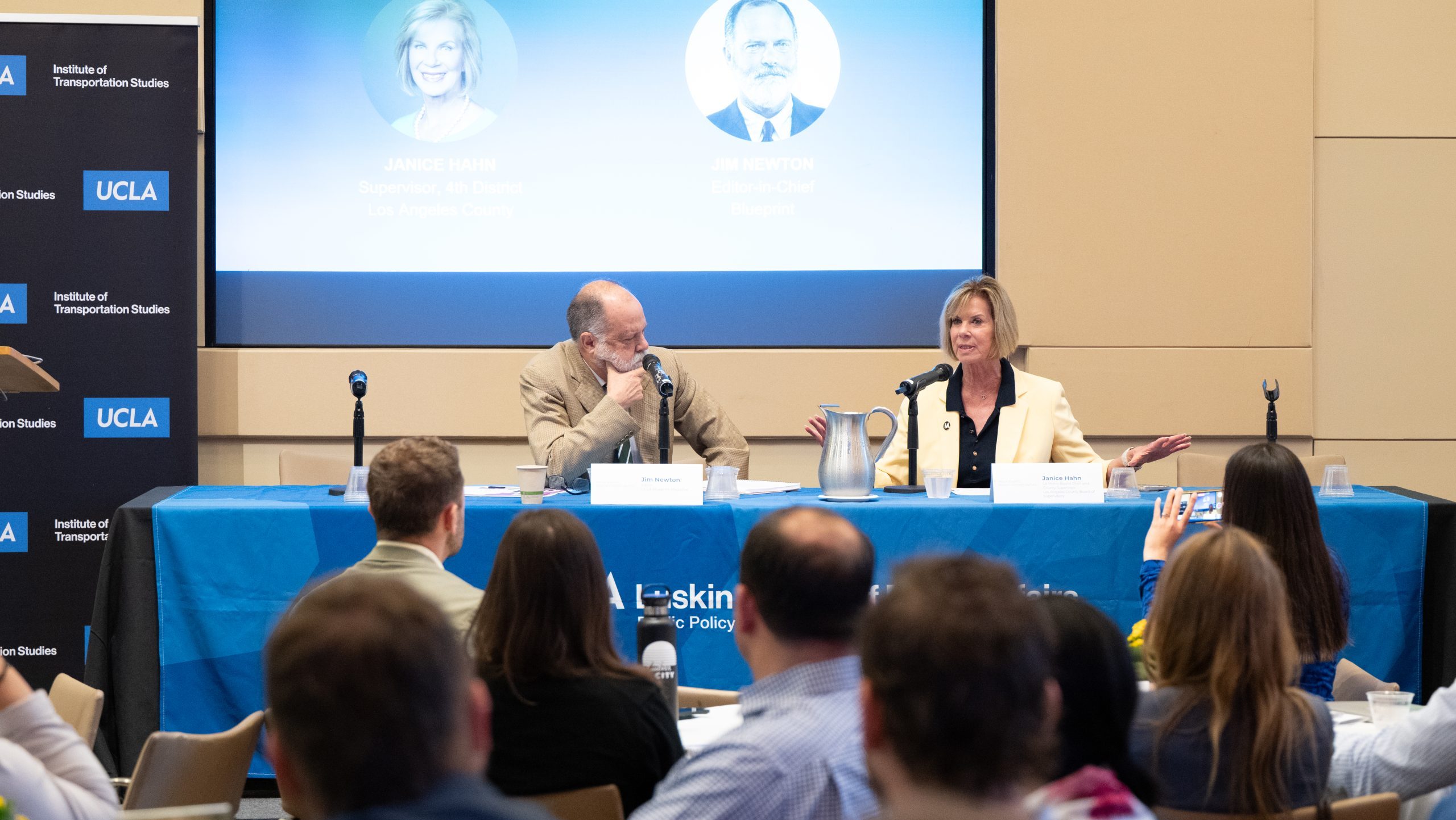
Leaders see a transit legacy in the LA28 Games
From bus lanes to better sidewalks, improvements could fuel transit ridership in Los Angeles beyond the Olympics and Paralympics.
MURP student ‘speaking up’ for equity in transportation and planning
Veronica De Santos spent a semester abroad in Geneva, where she called on global leaders to invest in underrepresented voices shaping the future of sustainability and transportation.
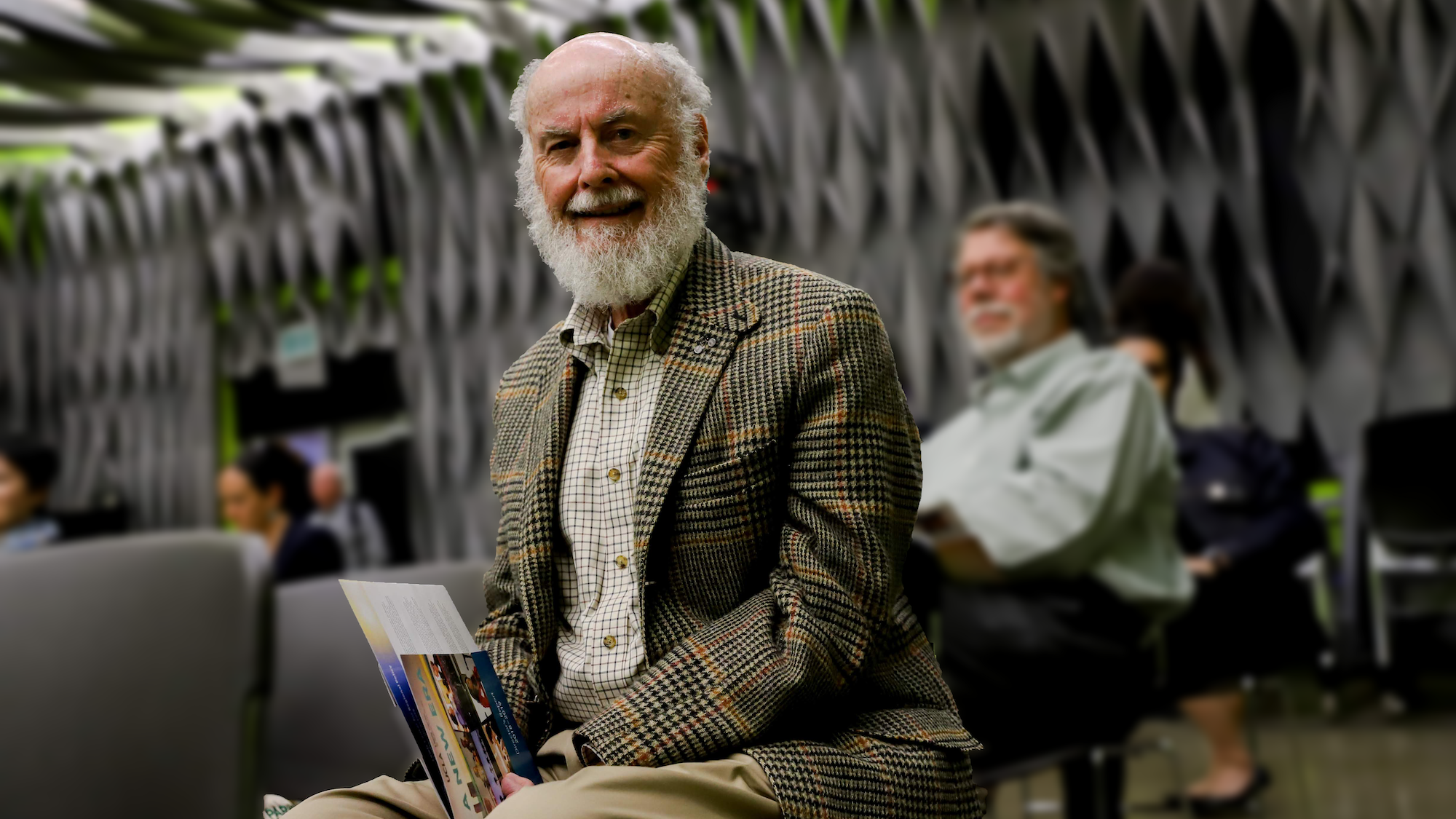
Remembering Donald Shoup
UCLA ITS’ 2nd director and a visionary scholar reshaped cities with his pioneering work on parking, inspiring legions of ‘Shoupistas’ and lasting change.
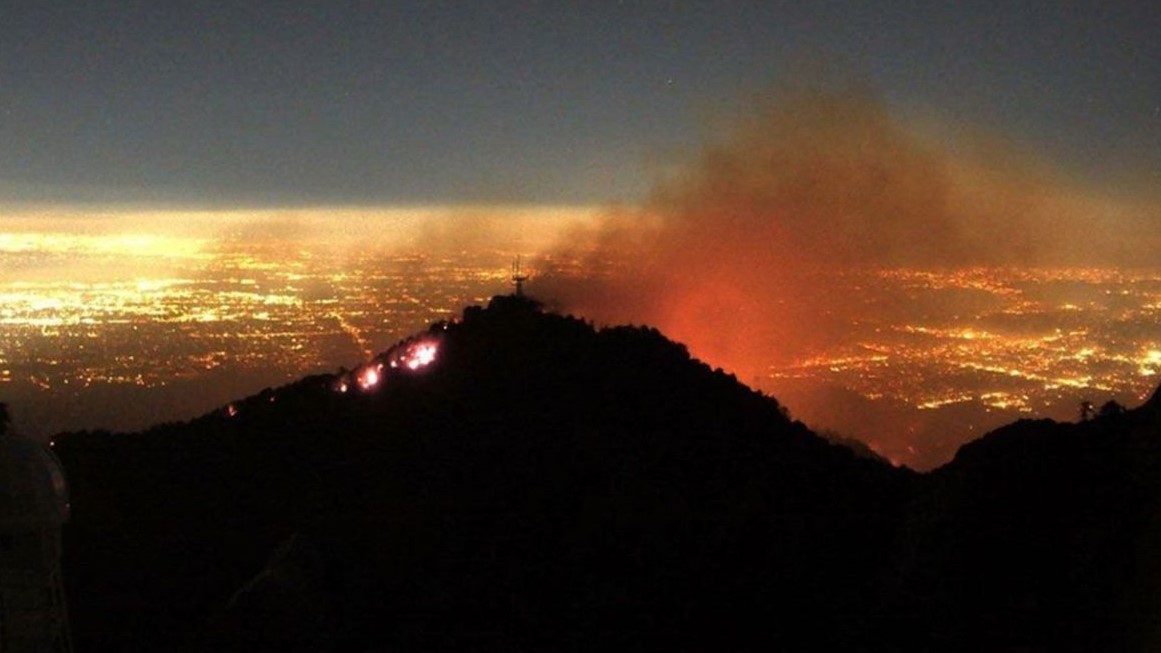
UCLA ITS funds research on vulnerable communities, LA fire response
Five rapid-response projects will explore transportation challenges and community engagement in disaster recovery
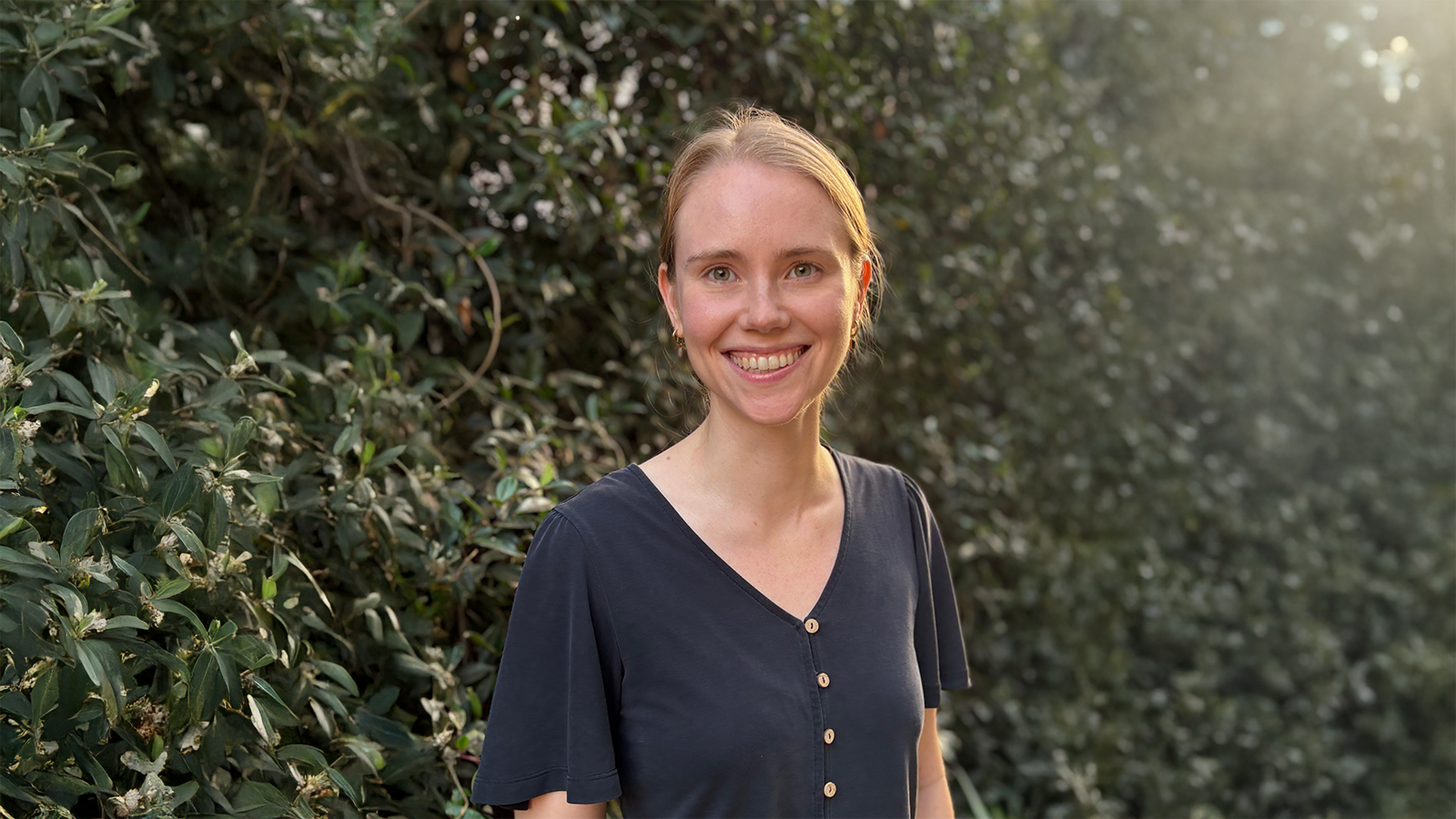
Student research on freeway removal, redesign wins national award
Carolyn Pugh MURP '24 focused her capstone project on the Inner Loop freeway-to-boulevard project in Rochester, New York.

UCLA at TRB 2025
UCLA will have a significant presence at the 2024 Transportation Research Board Annual Meeting in Washington, D.C.

Remembering Hannah King
Hannah King was a transportation planning PhD student and cherished member of our research community. We will miss her intellect, dedication, and one-of-a-kind wit and humor.