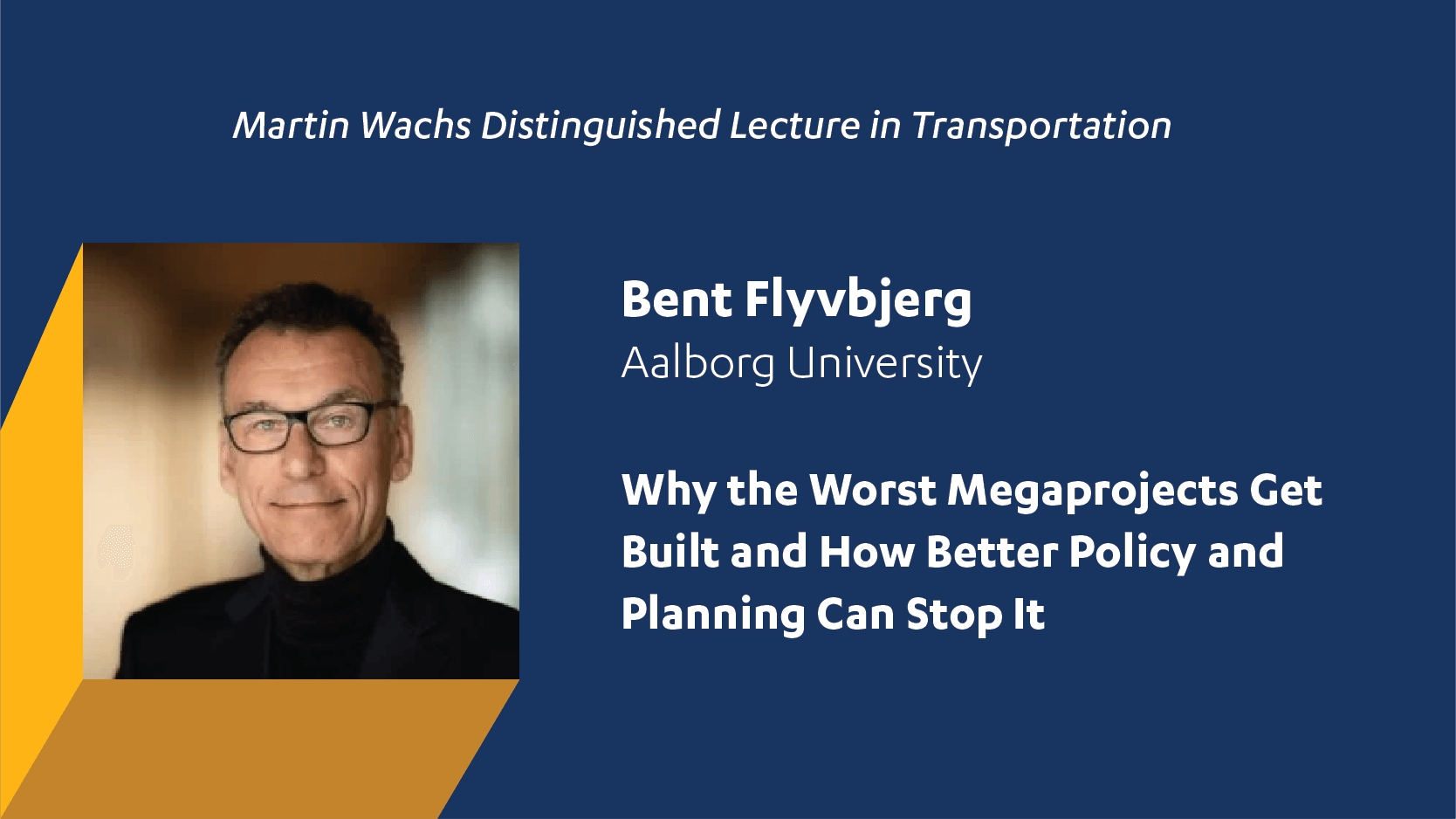
• Why the Worst Megaprojects Get Built

    UC Berkeley hosted the inaugural Martin Wachs Distinguished Lecture--presented by Bent Flyvbjerg, professor of planning at Aalborg University, Denmark and a former Wachs doctoral student. Flybjerg discussed the tendency of megaprojects to go over budget, with nine out of 10 estimated to incur cost overruns. Demand for particular megaprojects are also significantly overestimated, while their budgets greatly exceed initial estimates, creating a costly, underutilized project. How should this overoptimism and overcomplexity be addressed through policy?
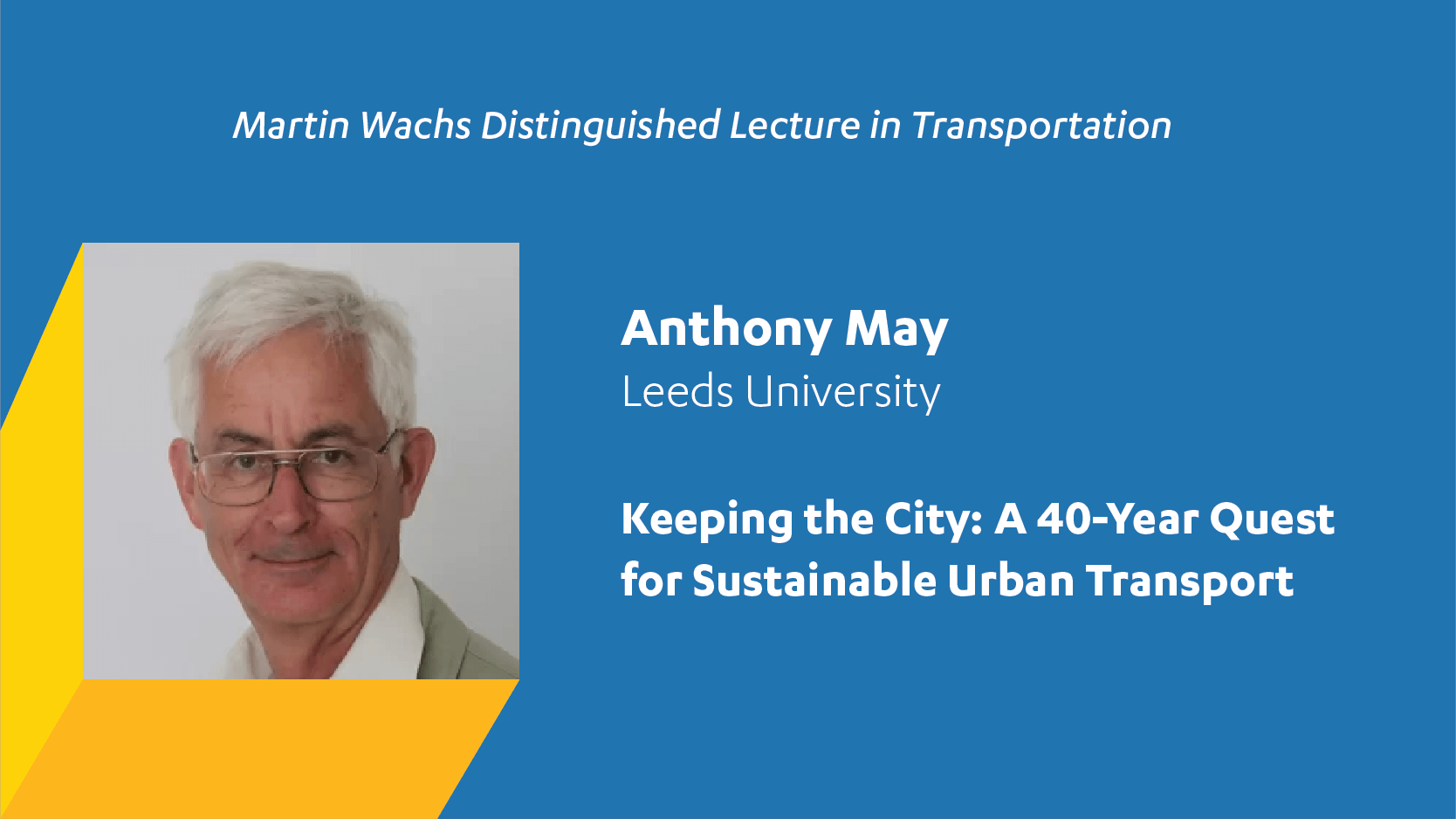
  • Keeping the City

    The 2nd annual Wachs Lecture, and the first held at UCLA, was delivered by Anthony May, professor at Leeds University. In his lecture, May explored the history and future of efforts to reduce the environmental footprint of transportation systems and increase their contributions to the sustainability and livability of cities, drawing on his decades of research in the United Kingdom. His lecture was followed by a commentary by Gail Goldberg, then planning director of the City of Los Angeles.

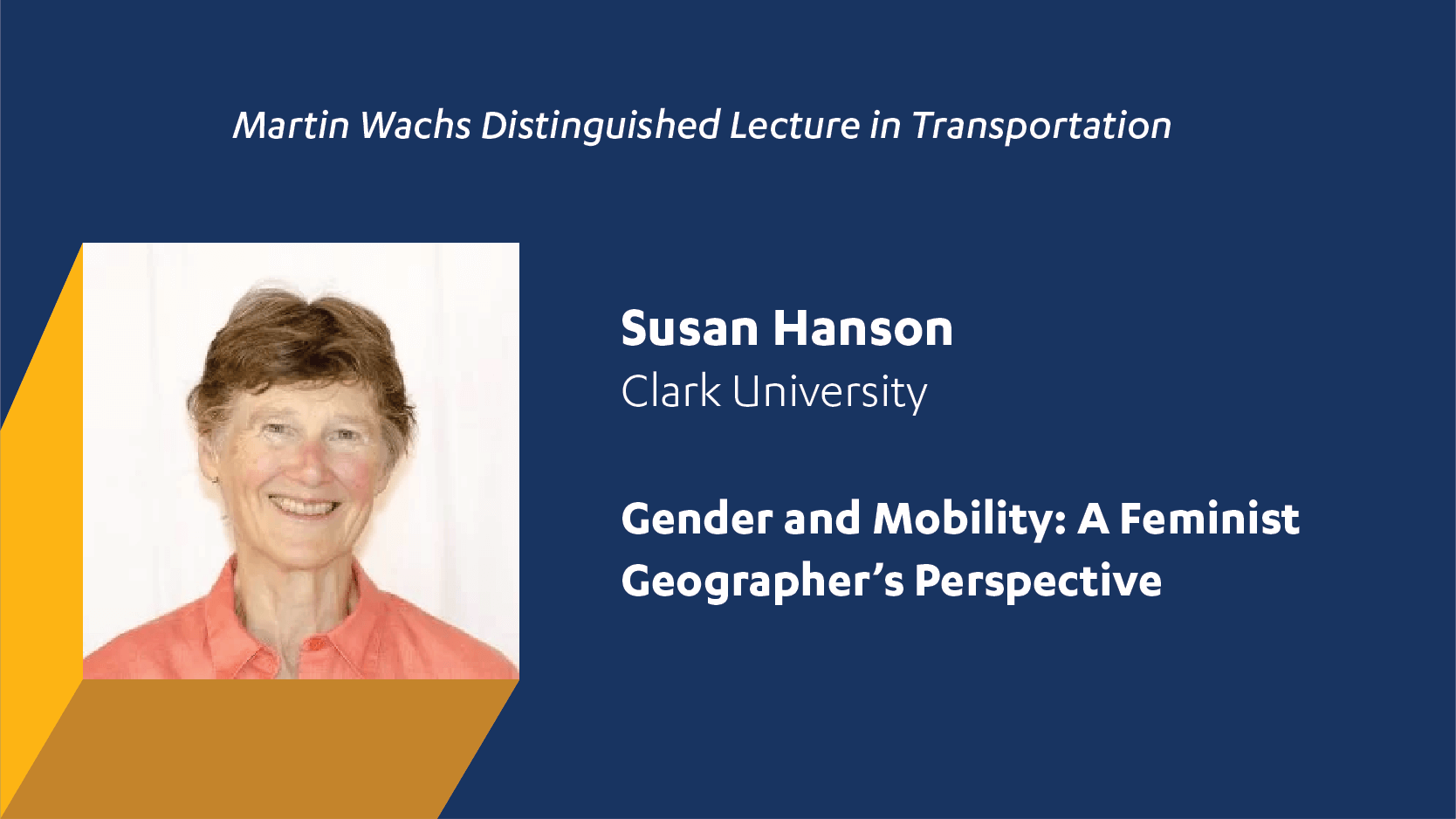
  • Gender and Mobility

    Berkeley hosted the 3rd annual Martin Wachs Distinguished Lecture where Susan Hanson, professor emerita of geography at Clark University, tackled the complex issues surrounding gender and mobility. Hanson emphasized how feminists have long known that gender and mobility are inseparable, influencing each other in profound and often subtle ways. She noted that tackling these complex societal problems will require improved understandings of the relationships between gender and mobility.

  • Equity, Pricing, and Surface Transportation Politics

    UCLA hosted the 4th annual Martin Wachs Distinguished Lecture by Alan Altshuler, professor of urban policy and planning at Harvard. He examined the new debates about funding for surface transportation, and posed the question of how managing road congestion will occur in an era when major capacity expansion is rarely feasible. These debates are routinely framed around conceptions of equity. Altshuler explores the distinctive nature of equity debates in U.S surface transportation, with particular attention to congestion pricing and High Occupancy Toll Lanes.

  • What’s Wrong with U.S. Public Transit Policy?

    Berkeley hosted the 5th annual Martin Wachs Distinguished Lecture where Genevieve Giuliano, faculty at the University of Southern California, examined outcomes of four decades of transit policy. Using two examples, mobility for the disadvantaged and transit impacts on land use, Giuliano showed that little progress is being made in achieving transit’s objectives. Yet, as she demonstrated, public transit continues to receive strong public support, and subsidies continue to grow. Investment and service decisions have created major barriers to achieving public transit’s urban planning objectives.

  • What About Time in Transportation and Health Research?

    UCLA hosted the 6th annual Martin Wachs Distinguished Lecture featuring Mei-Po Kwan, now Professor of Geography and Geographic Information Systems at the University of Illinois-Urbana Champaign. Transportation researchers have long recognized the role of time in influencing activity-travel behavior. Kwan examined a different notion of time and its implications for transportation and health research, revisiting some fundamental concepts like distance, accessibility, and geographic context, while exploring new conceptualizations that take time into account.

  • Wachs Lecture: Edward Glaeser

    The 7th annual Martin Wachs Distinguished Lecture, hosted at Berkeley, featured Edward Glaeser, Professor of Economics at Harvard Kennedy School. He studies the economics of cities, and has written scores of urban issues, including the growth of cities, segregation, crime, and housing markets. He has been particularly interested in the role that geographic proximity can play in creating knowledge and innovation. His work focuses on the determinants of city growth and the role of cities as centers of idea transmission.

  • Utility of Travel

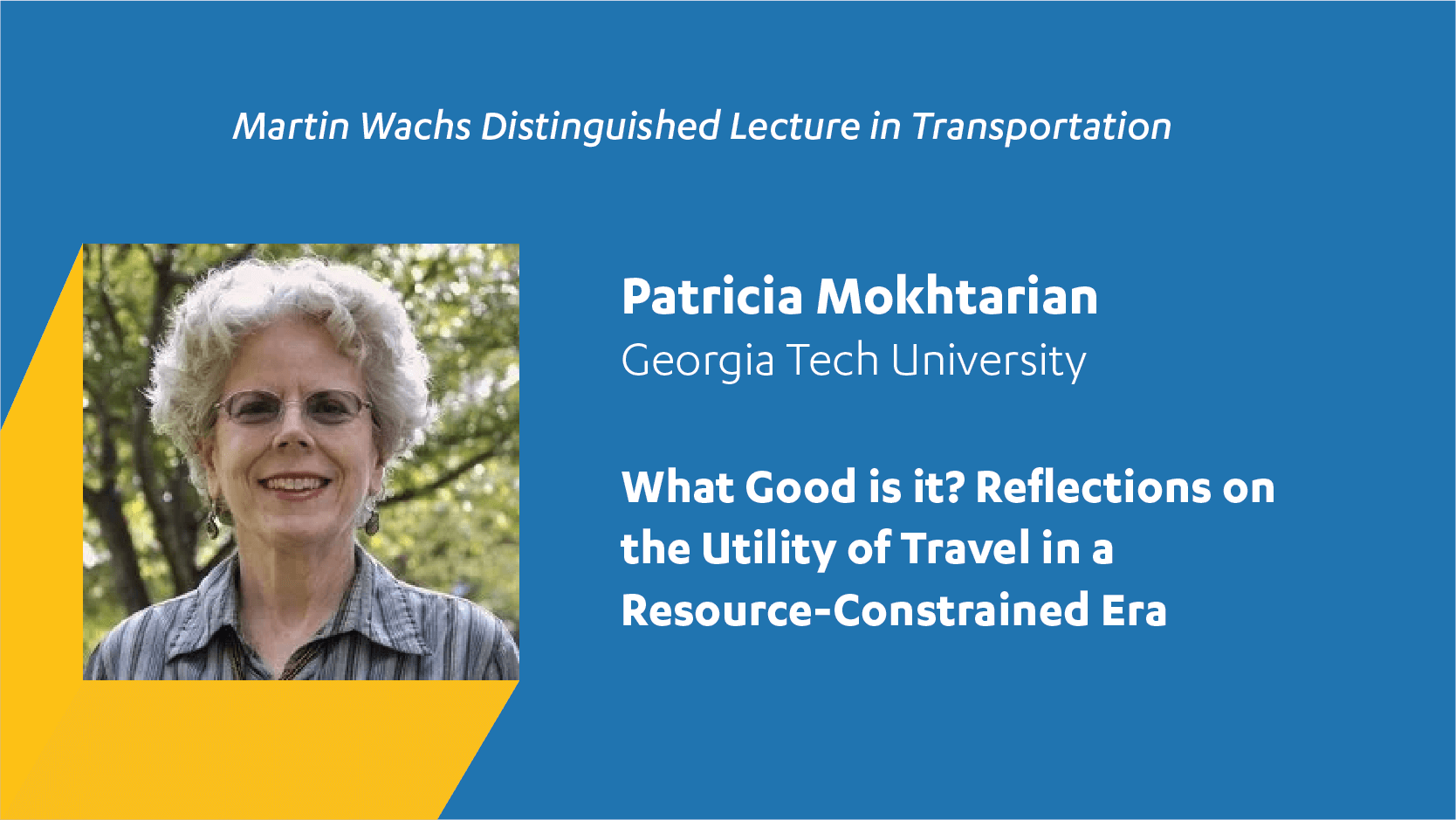
    UCLA hosted the 8th annual Martin Wachs Distinguished Lecture where Patricia Mokhtarian, faculty at Georgia Tech, lamented that travel is now viewed primarily as a “derived demand” : travel occurs only so that people can enjoy the goods and experiences attained at their destination but not because the journey in and of itself brings enjoyment. Her aim is to restore balance to how we conceive of travel by placing travel into the category of behaviors that have a dual nature: those that have on the one hand a utilitarian (functional) aspect, yet also bring a hedonic (pleasing) dimension.

  • A Transportation Agenda for the Global Era

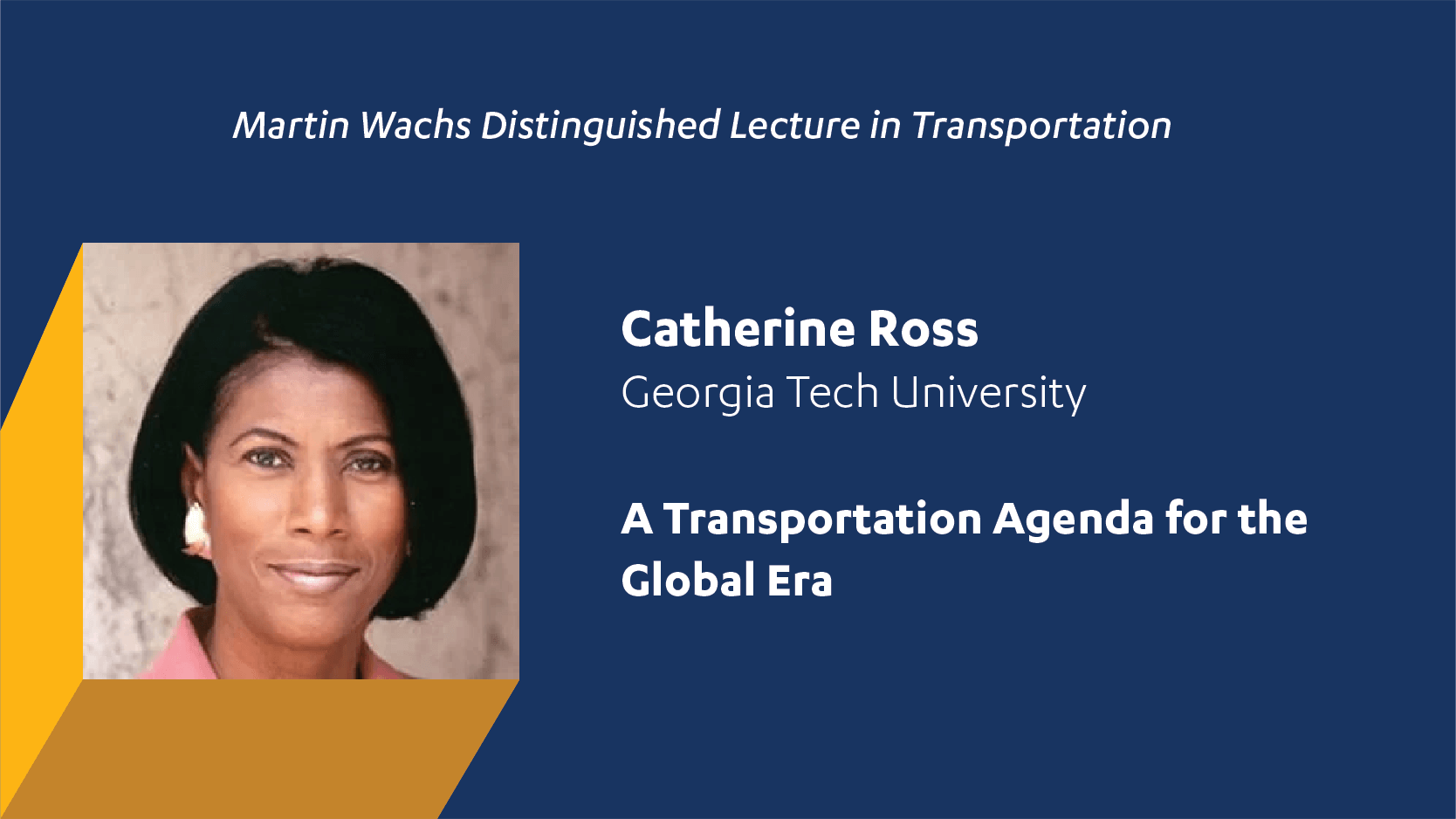
    The 9th annual Martin Wachs Distinguished Lecture, hosted at Berkeley, featured Catherine Ross, Professor of City and Regional Planning at Georgia Tech, who spoke about the challenges in maintaining and growing economic well-being in an era of new transportation modes. With increased transportation capacity and greater mobility comes congestion, air pollution, and urban sprawl as well as other issues. This current dilemma and hypermobility demands a transport agenda for this global era to be set.

  • Fall 2016 Transportation Speaker Series: Shared Mobility

    The Fall 2016 Transportation Speaker Series focuses on shared mobility. Topics include: The 2nd Shared Mobility Revolution — From Taxis, to TNCs, and Beyond: What’s the Public Sector Role?; Understanding the past, present, and future of the taxi industry in Los Angeles; Policy Issues in Shared Mobility: Labor; Policy Issues in Shared Mobility: Safety and Insurance; Policy Issues in Shared Mobility: Equity and Social Inclusion; A Green Path to Shared Mobility; The Rise of Shared Mobility: Will it Incrementally Change or Transform Urban Travel in the Years Ahead?; The Public Policy and Transportation Planning Issues Raised by Increasing Vehicle Automation in the Years Ahead.

  • When Forecasting Fails

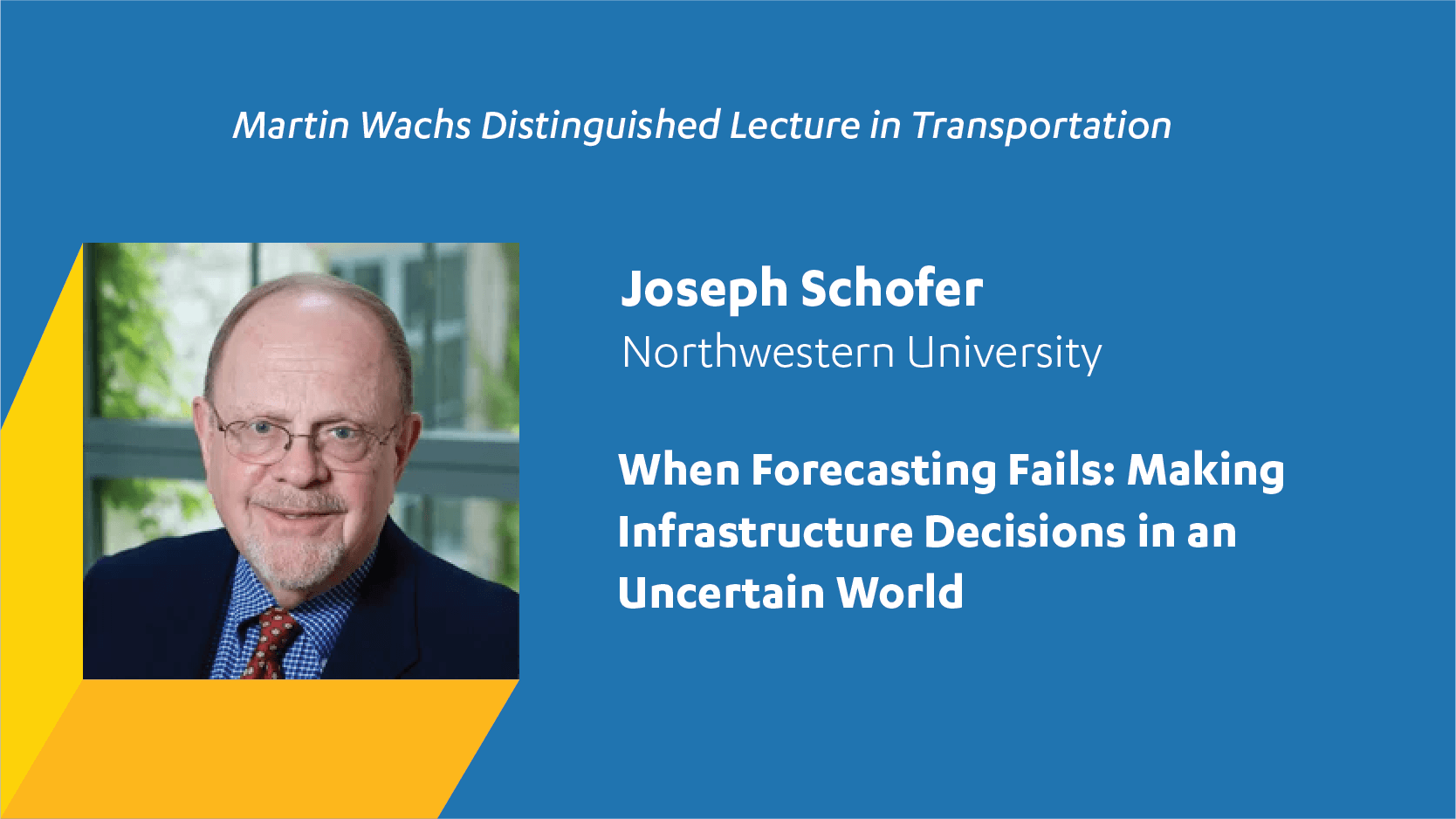
    UCLA hosted the 10th annual ‘Martin Wachs Distinguished Lecture”, where invitee lecturer, Joe Schofer, Faculty at Northwestern University, provided a wide-ranging view about forecasting – a prominent feature of transportation planning. He explains that learning to accept the inherent limitations of the forecasting process is a necessary first step in helping planners improve their predictions of cost, utilization, performance and impact, and that systematic learning from experience is vital when predicting the outcome of major infrastructure projects

  • Travel Behavior and the Three Revolutions of Shared, Electric, and Autonomous Vehicles

    A select group of transportation policymakers, stakeholders, and experts convened for a session at the 2017 LA CoMotion Expo & Festival on the 3 Revolutions Future Mobility Program from the UC Institute of Transportation Studies. The program, led by researchers at ITS-Davis, hopes to guide public decision-making and private investments around new vehicle technology, and the discussion centered on the implications of shared, electric, and autonomous vehicles on mobility, pricing, greenhouse gas emissions, public transit, and much more.

  • Transportation is a Women’s Issue – Part I: Public transportation and #MeToo

    The #MeToo movement against sexual harassment and assault must influence public transportation procedures, designs, and policies. ITS associate director Madeline Brozen kicked off a new 2017-18 discussion series by speaking with Dr. Anastasia Loukaitou-Sideris, a professor of urban planning at UCLA Luskin and ITS faculty fellow, about women’s transportation needs, how transit agencies are and are not meeting these needs, and the role of sexual harassment in public space and public transit.

  • Transportation is a Women’s Issue – Part II: A gendered planning mismatch

    Discussions and plans for the future of transportation and new innovative mobility services often fail to account for women’s travel patterns. What potential do new mobility options, bikesharing, ridesourcing, and microtransit hold for closing this gap? Naomi Iwasaki of Investing in Place hosted a conversation about women’s travel patterns with UCLA Luskin professor Dr. Evelyn Blumenberg, Seleta Reynolds of the LA Department of Transportation, and Stephanie Wiggins of LA Metro.

  • Smart Cities: The Future of Urban Infrastructure

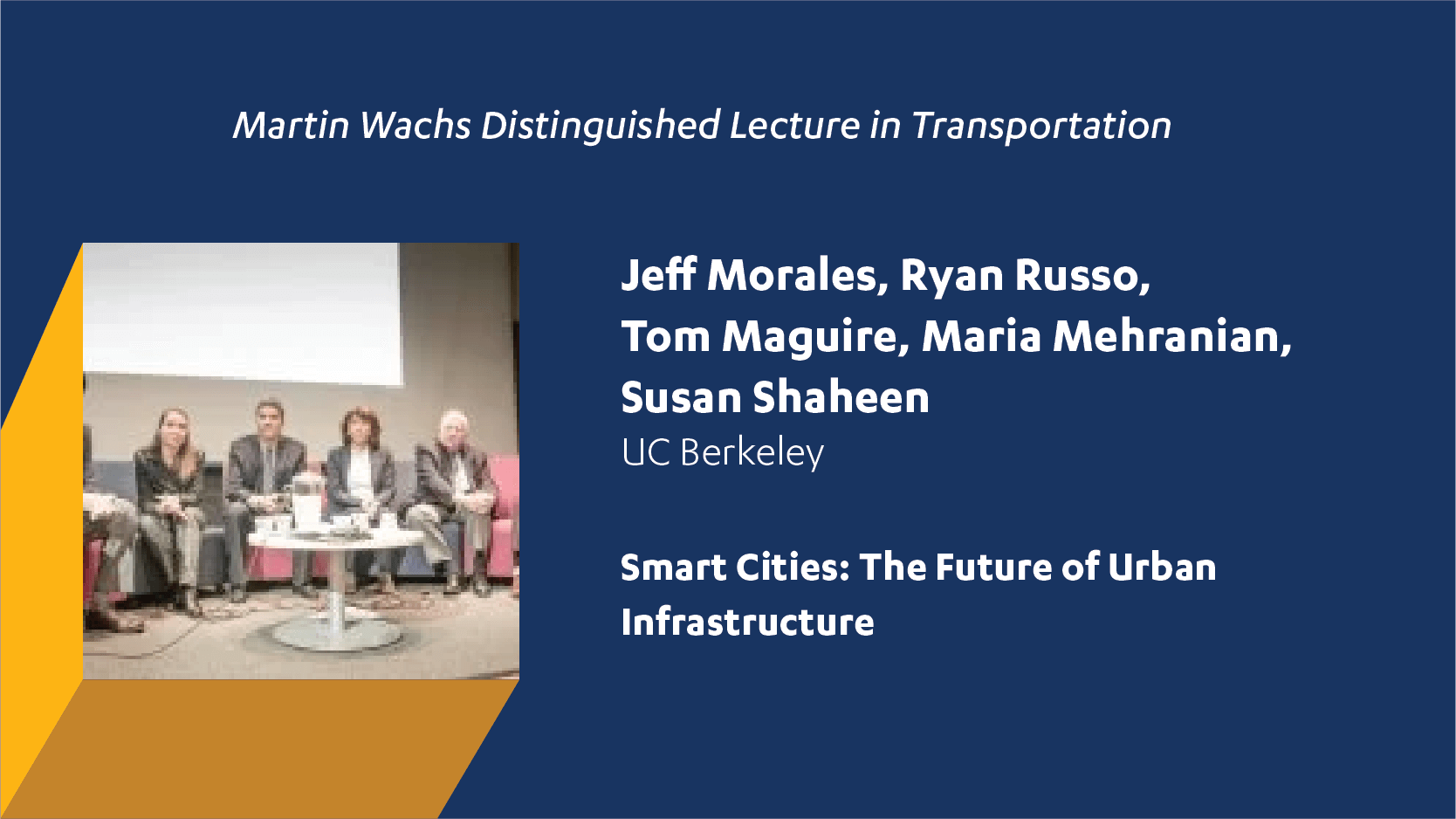
    The 11th annual Martin Wachs Distinguished Lecture, hosted at Berkeley, featured a panel of transportation and planning experts: Jeff Morales, Ryan Russo, Tom Maguire, Maria Mehranian, and Susan Shaheen. The talk addressed the fact that with increased capacity and greater mobility undergirding economic viability and quality of life comes congestion, increased energy consumption, air pollution, and urban sprawl. This current dilemma and hypermobility demands a transport agenda for this global era to be set.

  • 2018 Spring Speaker Series

    The 2018 Spring Speaker Series brought national experts to the UCLA Luskin School to discuss new research and best practices around public transit, transportation finance, innovative mobility, and much more. It took place during Professor Brian Taylor's Transportation Policy and Planning graduate course, but all events were open to the public.

  • UCLA ITS 25th Anniversary Celebration

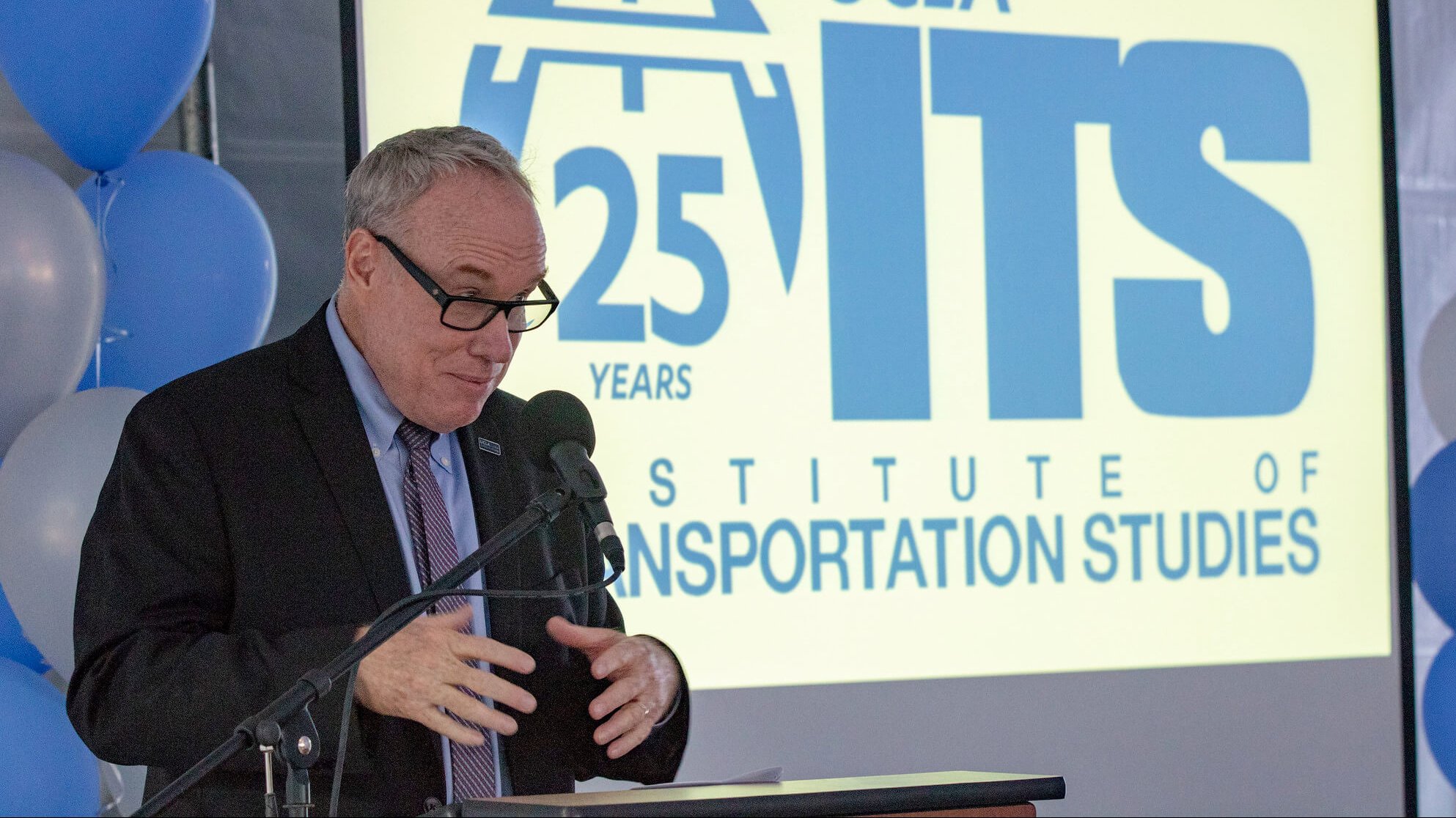
    UCLA ITS celebrated its 25 years of scholarship, education, and public engagement--reconnecting classmates, friends, and professors. See photos from this event.

  • 2018 Fall Innovative Mobility Speaker Series

    2018 Fall Innovative Mobility Speaker Series Realistic Prospects for Vehicle Automation in the Years Ahead and their Implications for Mobility with Steven Shladover Extraordinary Innovation at Metro with Joshua Schank New Mobility: Lys Mendez and Marla Westervelt of Bird Robert Poole: Rethinking America's Highway Institutions Three Revolutions: Steering Automated, Shared and Electric Vehicles to a Better Future - Dan Sperling, UC Davis

  • Spring 2019 Lecture Series on Resilient, New Mobility

    Spring 2019 Lecture Series on Resilient, New Mobility Unintended Consequences of Autonomous Vehicles | Adam Millard-Ball, UC Santa Cruz Towards Resilient Infrastructure for a Changing Climate and Future | Mikhail Chester, Arizona State University Model Checking in a Time of Simulation | Timothy Brathwaite, Lyft Bringing Congestion Pricing to LA | Joshua Schank, Metro Building Traveler-Centric Methods to Design Safe and Functional Urban and Intercity Transportation Infrastructure | Megan Ryerson, University of Pennsylvania Representing the Underrepresented: Making the Case for Digital and Inclusive Data for Travel Activity Studies | Tierra Bills, University of Michigan Financing California's Transportation Infrastructure: A Capital Markets Perspective | Alex Zaman, Citi

  • Designing the 30-Minute City

    The 12th annual Martin Wachs Distinguished Lecture, held at UCLA, was presented by David Levinson. The 30-minute isochrone has long defined people’s use of cities — from ancient times through the trams era to modern times. There are opportunities to use design to reduce the costs of travel and thus increase access for relatively little monetary outlay. This talk discussed both the measurement of accessibility, why it matters, and how it might affect traveler behavior, institutional behavior, and public policy.

  • TransportationCampLA @ UCLA

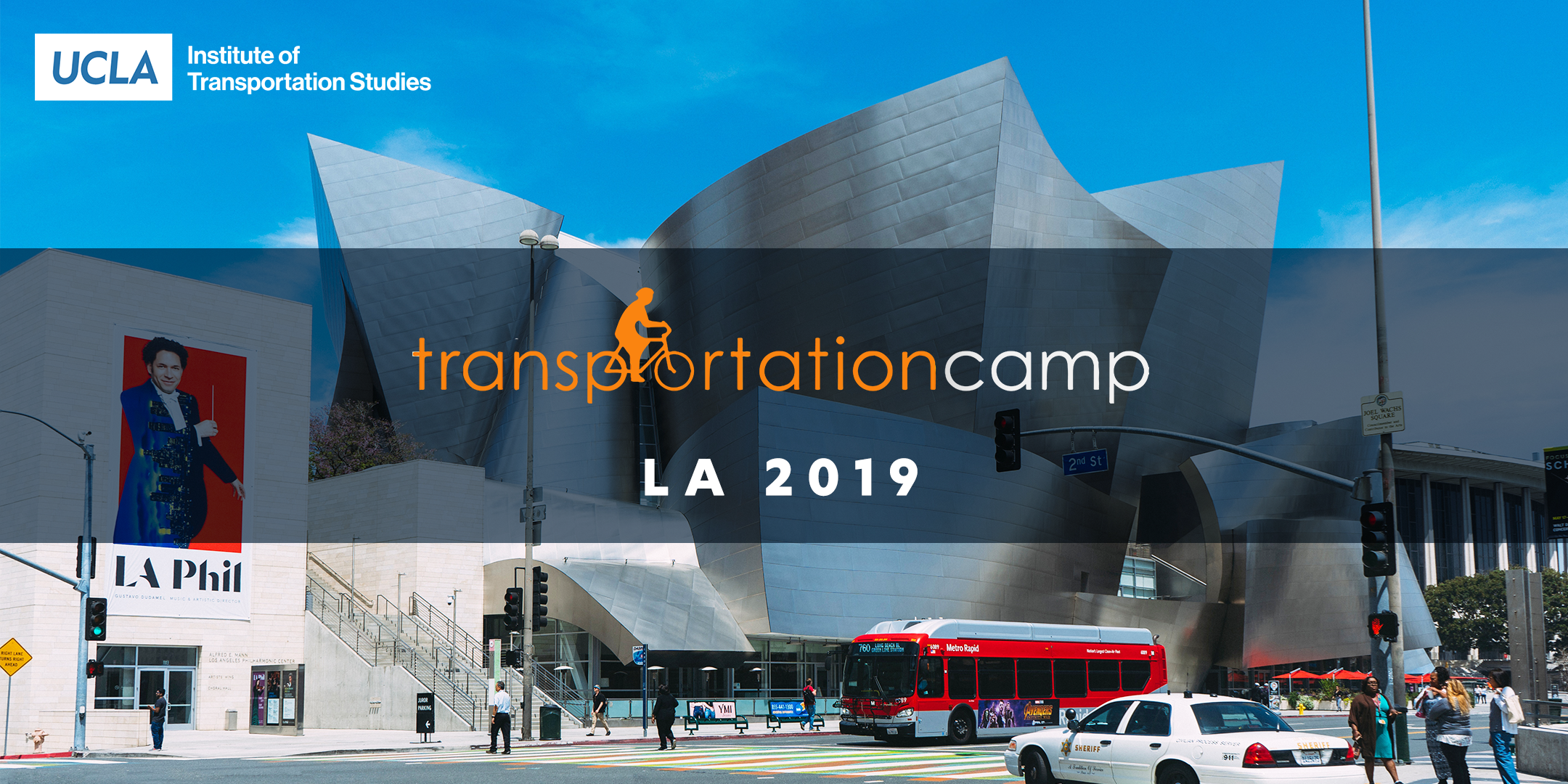
    TransportationCamp LA brought over a hundred transportation professionals, students and advocates to UCLA for an open mic conference. Attendees presented on topics ranging from transit planning to congestion pricing and data science. Many sessions looked into the advocacy and funding struggles of making sustained progress on effective and equitable transit and active transportation infrastructure.

  • The 29th Annual UCLA Arrowhead Symposium

    The annual UCLA Lake Arrowhead Symposium hosted leaders and stakeholders from the public, private, non-profit, and academic sectors for thoughtful discussion around the connections and conflicts between transportation, land use, and the environment. For the past 28 years, attendees have tackled the local policies, influences, and consequences related to climate change. This year's theme was Routes to Opportunity: Connecting Equity and Transportation.

  • ITS Fall 2019 Lecture Series

    UCLA ITS held its annual Fall Lecture Series where researchers presented their work on transportation, land use, and urban planning policies. Topics include the future of rideshare and autonomous vehicles, a historical context on Los Angeles ports, and public policy associated with public transit.

  • Integrating for Social Justice

    Professor Emerita of City and Regional Planning and Urban Design, Elizabeth “Betty” Deakin presented the Martin Wachs Lecture, “Integrating Transportation, Land Use, and Environmental Planning for Social Justice and Carbon Reduction: Finding a Way that Works.” Deakin’s research focuses on transportation and land use policy and the environmental impacts of transportation.

  • UCLA at TRB 2020

    UCLA ITS had 18 presentations from faculty, affiliated researchers and students at the TRB 99th Annual Meeting held in Washington D.C. UCLA faculty and students were awarded the Pyke Johnson Award for a paper on the mobility needs of aging adults, and several other students received recognition for their poster presentations and recent capstone projects.

  • InterActions LA: Uplifting Women’s Safety in Transportation

    InterActions LA discussed the opportunities to improve safety for women, girls, and other vulnerable populations as they travel throughout the Los Angeles region. Too often, people in these groups feel unsafe in public and this inhibits their freedom, independence and quality of life. This event presented new research by UCLA professor Anastasia Loukaitou-Sideris on public transit safety from LA and around the world, along with real-world examples and thoughts for advancing safety for everyone. Participants had an opportunity to exchange their best ideas with each other and engage deeply on solutions to advance mobility justice for women, girls, and everyone.

  • MTI Research Snaps Presents COVID-19 and State-Generated Transportation Funds in California

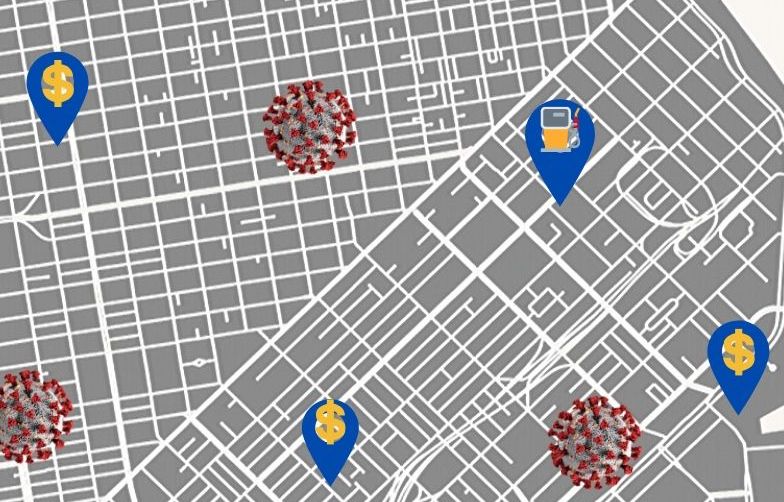
    The COVID-19 public health emergency has drastically changed every aspect of California life, including reducing personal travel by as much as half in many regions. As a result, transportation revenues are plummeting because user fees produce a large share of resources needed to operate California’s transportation system. Research by the Mineta Transportation Institute used simple spreadsheet models to estimate the impact of different scenarios for economic recovery from the COVID-19 pandemic on state-generated transportation revenues.

  • Transit Past, Present and Future

    The role and usage of public transit in America has changed much over the past century, past decade, and even past few months in the wake of the coronavirus pandemic. This session of the UCLA Luskin Virtual Summit series brought faculty affiliated with the UCLA Institute of Transportation Studies to discuss the evolution of transit and its implications for the weeks, months, and years ahead.